And on and on. August is the cruellest month, they say, I say. In this location, it’s the back end of winter and the coldest, wettest month. I always wish it was at an end, so that we can move on to September and Spring, that glorious time of the year. When the days become noticeably longer, the light comes earlier and lingers longer. The rain lessens, the temperatures rise a little each day. I love Spring and Summer.
I’m still trying to regain my strength after my sojourn in hospital in mid-June to early July. I still feel weak and with poor balance. I’m worried about falling all the time (wrong: I’m worried all the time about falling.)
The physiotherapist was here last Wednesday and she remarked that I seem brighter than a couple of weeks ago. I agree, I do feel brighter and less depressed. But I seem to have lost a lot compared with a year ago. Lethargic, tired all the time, lacking motivation.
In addition, I’m noticing a new problem: nausea. I actually vomited last week, which is very unusual for me. It’s about the first time in more than 40 years since I’ve done that. I wish I knew why because it’s a very unpleasant feeling. All I can think of is that I ate a hard-boiled egg which smelled slightly off at the time I ate it. It was new stock, fresh from Coles. I hard boiled half a dozen at a time and only ate this one. I’m a bit reluctant to try another. But I will.
My brother’s been here today, doing odd jobs for me while I feel unwell. We’re doing each other favours, quid pro quos. We each have our strengths and weaknesses.
It looks like he’ll take the Verada off my hands. As I’ve said, it’s a lovely car and if I could hold onto it, I would. But he’s owned one before and knows what he’s getting into, so it’s a good deal for both of us. He’s capable of doing more repairs than I am.
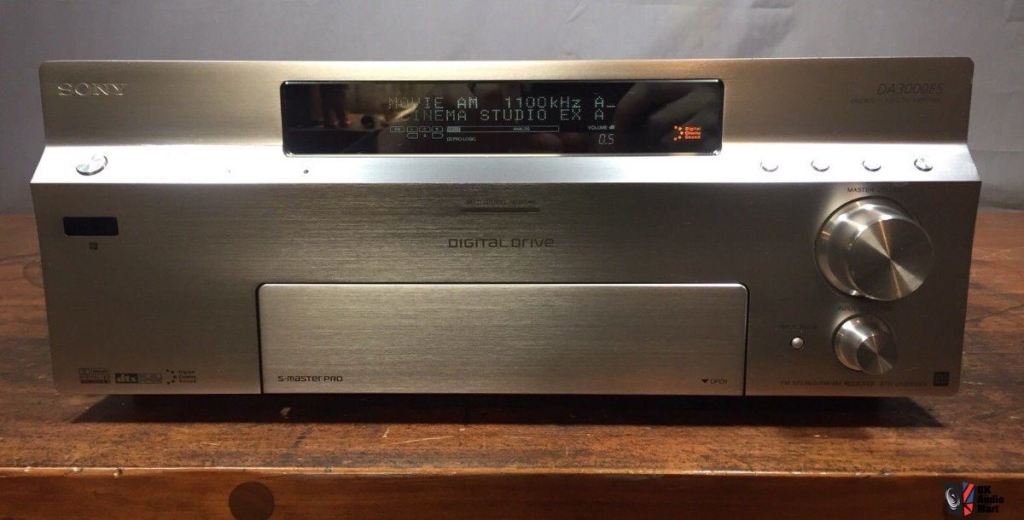
We had a go at connecting up the Sony ES Series amp (see below, gold colour) this morning, but there are a few problems. It’s a beautiful amp but it’s dated and doesn’t handle video very well. I just got confused this morning and gave up, meaning I need to draw a diagram and try again later.
This ES amp lacks HDMI inputs and outputs (High Definition Multimedai Interface) and although I’ve got adapters, they are only 1024×768 standard.
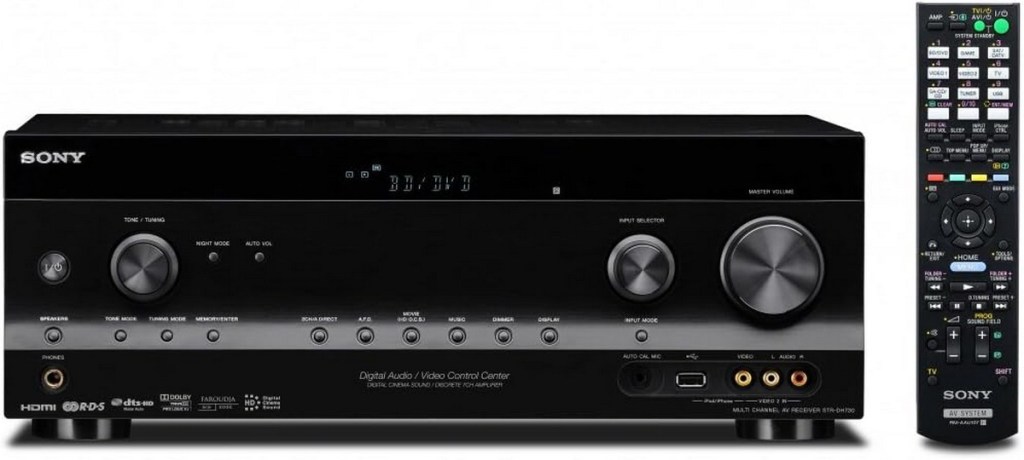
I’ve realised that there’s a Sony amplifier in the lot I bought last summer (black, shown above), which although slightly lower in power (100W pc vs 150W pc), has a full set of HDMI ins and outs. It’s probably ten years younger than the ES series amp. What a pity to not use the ES amp.
Sony STR-DA3000ES
So now I’ve got yet another piece of “broken” hi-fi gear to fix. Kerrrumbs, will I never learn? Still, the newer amp only cost me less than $10, so it’s a genuine bargain. That’s if it works. I haven’t tried it yet!
I’ve been bleeding. I had a nap on top of my quilt last week and awoke to find a large (15cm diameter) patch of blood. Trouble is, I don’t know where it came from. Obviously my leg, or toes, but I can’t see where. The Silver Chain nurse was here this morning and couldn’t see either, so it looks like it’s a mystery. Too bad.
I’m noticing the changing light at the moment. As we’ve passed the solstice and slowly move back to summer, I notice the lengthening days and extended afternoons. The sun slants through my dining room window between about 3.30 and 4pm. I have to move a bit so as to not be blinded.
I’m listening to a lot of Amazon Prime Music at the moment. It’s a paid subscription but I think it’s worth it. It’s very “yoof” oriented but it has long curated classical collections too. I’m listening to a lot of Mozart in this list, but yesterday was Rachmaninov day. I am a huge fan of ol’ Rach, especially his symphonies.
I’m also an advocate for Tchaikovsky. He’s dismissed a bit by the musicologists but I care not; I like his music. Sure, it’s a bit “sugar-coated” tunes (Nutcracker, Swan Lake etc) but there’s real depth to his later symphonies (4 5, 6), number 6 in particular.
In fact, I’m a fan of Russian composers. I can always find something to match my mood.
Once again, I’ve tried to generate sales of my photo books, with no success. I mean by making a sales pitch on Facebook, e.g. by saying “Available to order” along with a dozen or more sample images. I get quite a few “likes” but not a sniff of interest in buying my book. Not once, not ever!
One guy, a friend from Ch.7 days, said, “I didn’t realise you were selling them”. Huh?
However, I must admit I would have to price the books so high these days that I doubt anyone would buy. Photobook have raised their prices by around 50% in the past 10 years (who hasn’t?) and although I always buy two copies for myself, I’ve never succeeded in selling them.
So I’ve had an idea – to make the books in PDF form (or Flip Book) and put them in a USB stick, in a nice presentation box. The box would be book shaped, so that it would look good on a bookshelf.
It turns out that lots of companies make these presentation boxes. They range in quality from plain and basic to fancy and expensive, complete with silver or gold embossed lettering and logo.
The problem is that the Photobooks I’ve made (around 13 in the past 15 years) are not compatible with a PDF file. It means I’ll have to remake them for the new format. I’ve got everything I need to do this, but time! It would be a LOT of work. I’m not sure I’m up for it.
I had the mobile mechanic here on Friday to look at Vera, the Mitsi Verada. I’ve been told to sell it for scrap, but I love that car and I thought I’d spend a bit of money and get it going again.
Well, the result was an estimate of $2,500 to $3,000 depending on how far I want to take it, just to get it roadworthy. Ugh! I was just thinking of the cost of a power steering rack overhaul, and a new batery, but he took the view that he doesn’t want to sign off on work that would still leave the car in an unroadworthy state. He picked rust in both A-pillars for example, and oil leaks from the rocker covers.
So it looks like a hopeless case and he suggests I just advertise it on Facebook Marketplace for about $1,500. “Someone will buy it”, he says. I hope so, because I’ve put a lot of money into it in the four years or so that I’ve had it. I would put in the ad that “If you bring a battery, you could drive it away.” It’s not a lost cause. So, wish me luck.
Crikey, I’m not too strong on my feet these days. I seem to have lost my sense of balance and have to be so careful how I move. I need to touch something all the time to keep my orientation. I tire so easily and quickly.
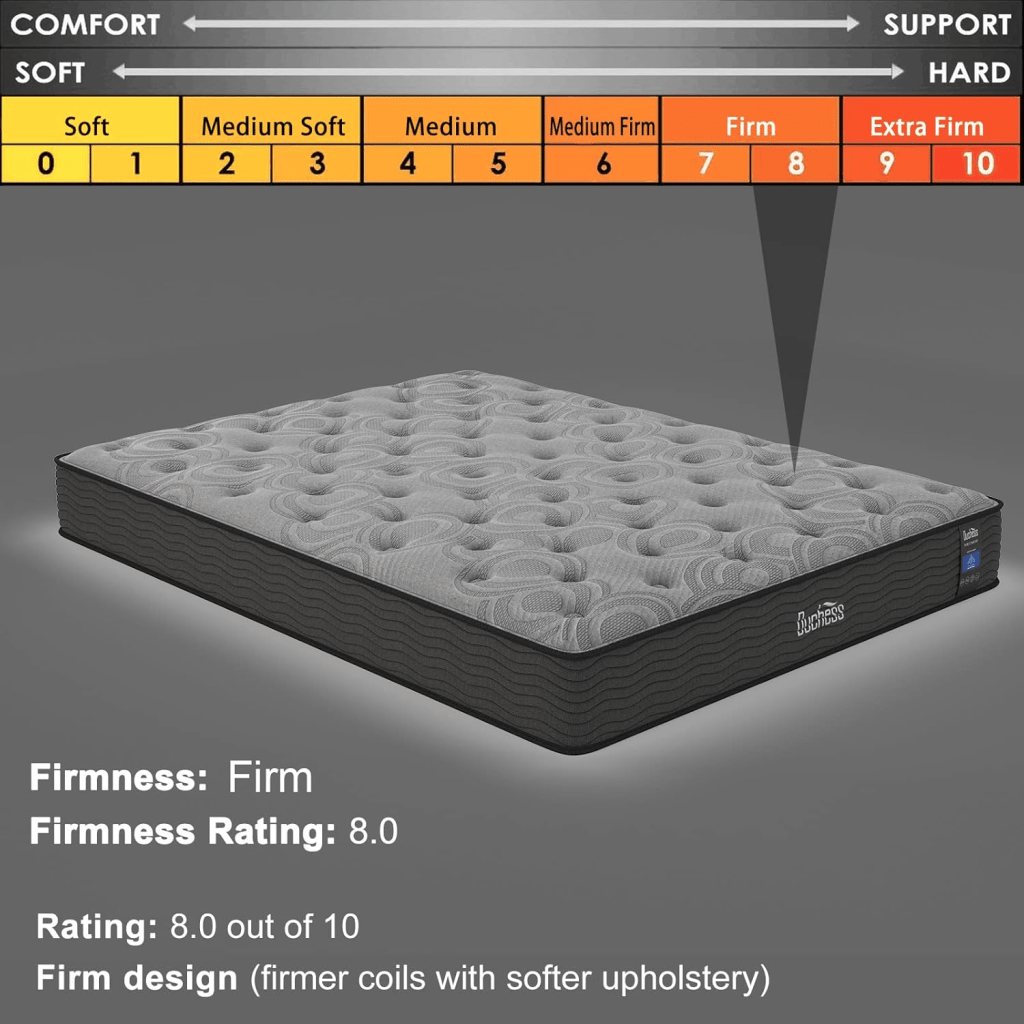
I’m sleeping reasonably well and feel rested when I wake up, but I still HATE the mattress I bought a couple of years ago. Australian brand A. H. Beard. Bloody awful!
I’ve found one that looks suitable to buy in the Amazon range, $259.
That’s about 1/3 of the price I paid for the AH Beard mattress (~$850).
It comes rolled up and compressed in a box, so I’ve got a bit of work ahead of me to get the existing mattress picked up by the Slavos and this new one decompressed and laid onto the base. I’ll have to move to the spare bedroom for a few nights while it’s settling down.
Yeah, it’s been a while since I posted, sorry. I just seem to have other things on my mind at the moment.
The pacemaker is going fine — I don’t notice anything. But neither have I noticed any energy boost from it. That’s disappointing, but I suppose I’ve misunderstood. They didn’t tell me much in the hospital.
One thing is that I was given a box, which contained a bowl shaped thing with a green ring in it. It tells me to place it on my bedside cabinet and plug it in. When you do that, the green ring turns on and a ring of LEDs starts circling. Eventually it settles down to a constant green ring of light.
Apparently it monitors the pacemaker at night while you’re asleep (it has a light sensor) and reports your waveform to a monitoring business in Heathridge, a suburb about 15km down the road. How? Wi-fi?
Anyway, you have to pay $75 for a year’s monitoring. I got a letter from them even before I’d paid saying that they’d noticed my signal and the monitoring had commenced. even before I’d paid. I’ve done so now, as $75 is OK by me.
To be honest, I feel that I came out of the hospital worse than I went in. I lost so much condition in those three weeks. I’m weak and my balance is shot. I have to use the rollator all the time, and my walking stick as well. I need to keep my phone close by at all times in case I fall.
I had a fall on the day after I got home from the hospital actually, July 9. Big bruise and blister on my left knee, but no other damage, which was lucky considering how hard I fell on the tiles in the passage. Wham!
I had another fall today — I was trying to get into a mate’s car, a BMW X5 with high sills. I was trying to swing my right leg up and kept missing, then suddenly lost my balance and fell backwards. Embarrassing. No damage done, except that I was a bit winded.
Luckily two people were passing and rushed to help. One was a nurse. She gave me a quick check, then she and the two guys lifted me pretty easily.
I felt OK after that, but now my left knee is a bit painful. A warm bed for a couple of hours was a big help.
________________________________________
I’ve had a small adventure in buying on-line in the last couple of days. Last Friday I decided to take what I thought was a small risk and bought this on eBay from a seller in Japan.
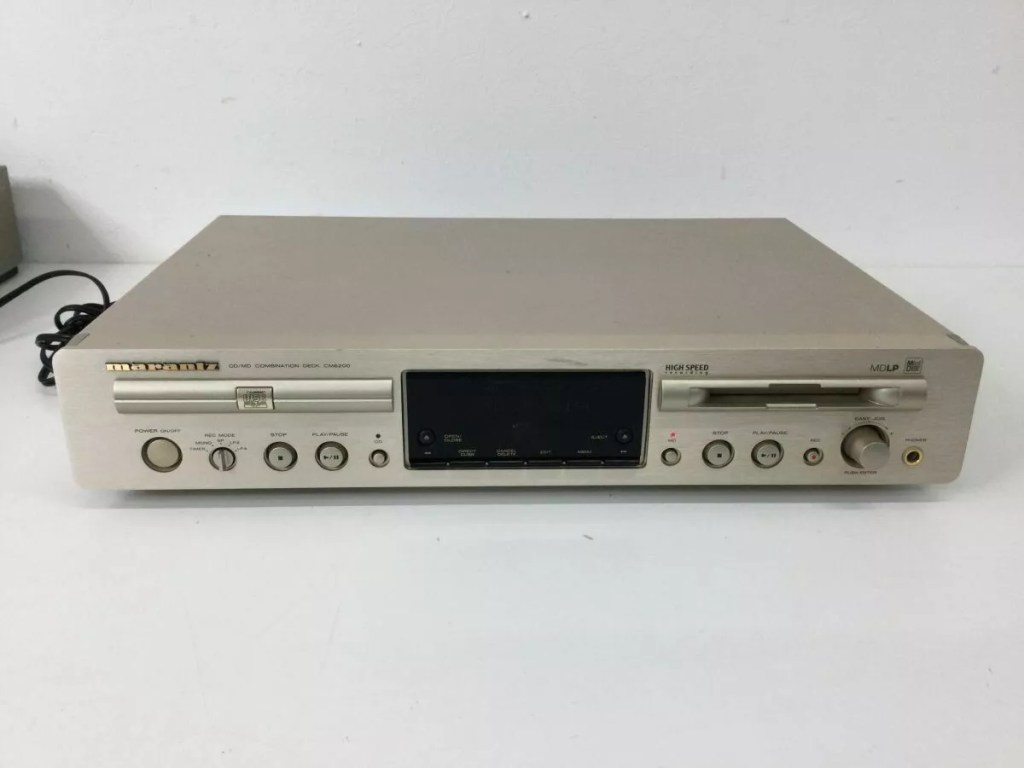
Marantz CD + MiniDisc deck.
Ordered Friday, arrived about a week later. But problem! It was faulty. Incorrect messages on the display, CD tray won’t eject, MiniDisc initially wouldn’t eject or inject, and so on.
Eventually it ejected a MiniDisc, but it wasn’t mine. But I still can’t insert a disc. Can’t select CD/MD and so on.
So working through eBay, I reported this to the seller and said I didn’t want to go through the hassle of packing it up again (I squashed the box for disposal) and I didn’t want to pay the return postage. I suggested a deal — refund me half the price, and I keep the unit. Net cost to me, $95.69. I’m happy.
He came back agreeing to that, so I’ve got my refund and a non-working deck. But I reckon I’ll be able to fix it. Since both decks have failed at the same time, I reckon it’ll be a power supply problem, because it’s common to both. Or else a plug has worked loose in transit. I shall report on progress.
_______________________________________________
I have to make a decision about the Mitsubishi Verada. It’s sitting out in the laneway, unused for about six months. It’s got a faulty power steering rack, a faulty Mass Airflow Sensor (my diagnosis) and need s a new battery.
By rights, I should sell it to a scrap dealer. You get about $100 to $200 for it apparently.
But I’ve been thinking about it constantly and I don’t want to lose it. I love driving that car – smooth, quiet and powerful. I think I’ll get the Verada fixed and sell the Honda, no matter what is costs. Probably stupid, but we’re not logical at times. The Verada is a station wagon, which I want for carrying stuff. I should get several thousand $$ for the Honda, which is a better deal than $100 for the scrap value of the Mitsi.
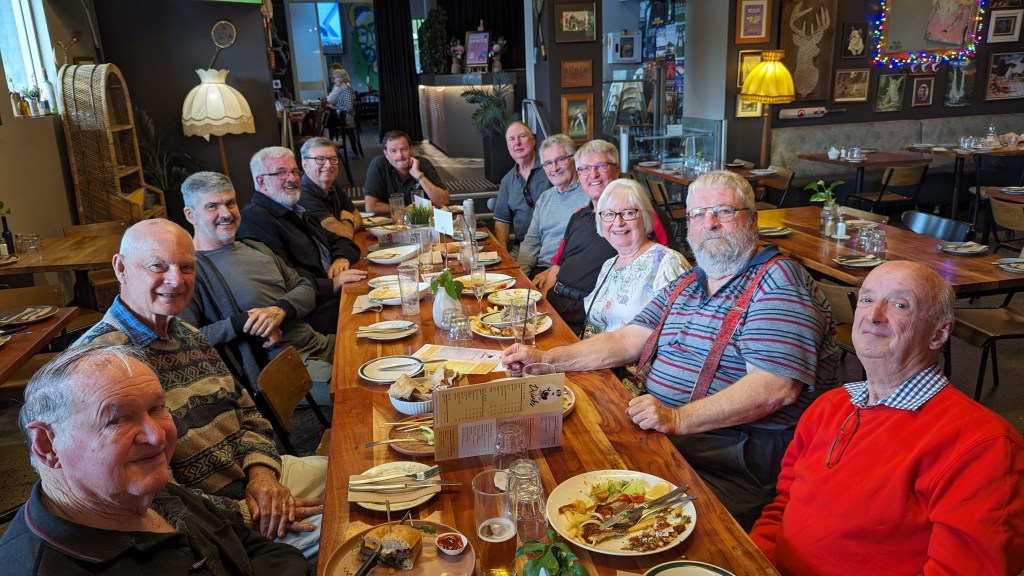
A lunch on 4 June, just before my ambulance ride, with people I used to work with at Channel 7. I regret I had to miss this but I was feeling too weak to attend.
Well, that was a break and a half. It’s been nearly seven weeks since I last posted. Here’s what I drafted but never got around to posting last:
Urrrgh, sorry for the delay, I’m not well. Not sure what’s wrong, having AF and palpitations and waves of dizziness. Very weak and wobbly, in danger of falling – but I haven’t. I have to stay near benches and things to touch and hold on to (not onto). I need to keep my phone always within reach in case I need to call for help. I phoned the cardiologist’s office this morning hoping for a phone consultation but they said call an ambulance and go to the ED at Joondalup. Yeah, OK, but I’m sick of the long boring waits for admission and assessment. And the awful discomfort of those ED trolleys. Also I want to meet up with friends for brekky tomorrow morning, and I’ll make that 000 call tomorrow after that.
I’m back today with a new addition to my body, a pacemaker. I did call 000 and as usual, the ambulance guys were fantastic. They radioed ahead that they were bringing a guy (me) in with severe bradycardia, low heartbeat, around 20 beats per minute! As you know, the normal is around 60 bpm.
I got a bit of a surprise in the ambulance when the guy attending me said, “This might sound like a hard question, but if the worst happened and your heart gave out, what would you want us to do? Jump on your chest, try everything to bring you back?”
I said “No, if I’m dead, I’m dead. Don’t worry about it.”
There was a crowd awaiting me when we got to the hospital, Joondalup Health Campus, about 15 mins away. I was whisked into Bay 1 in the cardio section and immediately hooked up to an ecg monitor, and canulas put into both arms. They injected a drug to increase the heart rate, which worked, but it overshot into tachycardia, around 150 bpm, but they don’t seem worried about that.
So I lay there for quite a while, about 36 hours into Thursday, although I can’t remember how. Did they bring a proper ward bed in? Did they take me to a ward? It’s hazy.
Anyway, on Thursday 20 June they did simple (i.e. local anaesthetic) surgery to insert a pacemaker on my left side, just below the shoulder, below the collar bone. It’s done with sedation. It hurt a bit, but not enough to complain. In fact the worst part was at the end; as the anaethic and sedation wore off, the bursitis in my left shoulder set in, with severe pain down my left arm. Bad enough to tell the surgeon. He ordered another 50 units of fentanyl which helped, but it still hurt.
So I was taken to a private room overlooking some building work going on outside, which I found interesting, and it was on the north side of the hospital so I got a lot of sun through the big window. I was there for about five days, although I can’t remember how long. Then I was transferred to the Rehabilitation Ward on the ground floor, where I stayed for another two weeks. All up, I was in the hospital for three weeks exactly.
How do I feel now? Not a lot different, although I’m not feeling like fainting. I thought the pacemaker would give me an energy boost, but it hasn’t. I gather its function is limited to giving the heart a kick if it stops or drops too low. I don’t feel anything at all, except the usual slight breathless feeling at times. A lot actually.
But the bad side is that three weeks of enforced inactivity, and being fed big hospital meals, has left me even more unfit (or less fit) than I was before. And even though I had no beer for those three weeks, I’ve gained about three kilos! Damn.
_____________________________________________
I feel very unsteady on my feet, having to use my rollator and walking stick to get around the house. In fact I had a fall on Tuesday. I fell, in my passageway, forward onto my left kneee and elbows, on hard tiles.
I managed to slide my way into my computer room, within reach of my phone, but I wanted to try to get myself up. But I couldn’t. As it happened, the Coles grocery delivery guy was due, so I waited for him. He tried, but I’m too heavy. He couldn’t get me up. But he was very good and got me my water bottle and mobile phone. I told him to go as he couldn’t do anything more. He said it was his last delivery so it wasn’t too inconvenient.
Then I called 000 and told them I was down, but to take it easy, it was not an emergency. They arrived after about 20 mins. They were very thorough as usual, checking me over, doing an ecg, looking for any signs of broken bones or mental impairment. No problems, I was fine. Then they called for the “whoopee cushion”, the inflatable chair. That took another 20 mins but once it arrived, I was up and standing again.
So that was that. I had to sign a form saying I didn’t want to go to the hospital. It was about 6.30pm by this time and I could finally have a beer. I hate having to call the ambos for this and I’m trying to think of an answer to being unable to get myself up, short of losing 50kg of weight, of course.
Unfortunately, my left knee has come up in a giant blue bruise. It’s not too painful, but my left hip feels funny.
While in the hospital, ultrasounds were done on both legs due to their size, with the finding that there are blockages in veins and arteries in both legs. I don’t know what can be done about this; no doubt I will find out more after I see a vascular surgeon on 7 August.
Meanwhile, I’m having a nurse come here to dress the sores on my legs and toes, and an occuptional therapist is coming at 1pm to do something, I know not what.
PS: she just changed the plasters on my left leg and toe, and added new ones on my right leg and toe. I’m springing leaks! Then she put Tubigrip over both calves, then my blue anti-slip socks over that. It feels good, nice and warm.
She wanted me to go back to the dreaded compression stockings, but I said they are too difficult. But today I’ve found what I’ve been looking for, on Amazon: battery powered Velcroed wraps for the calves, which get pumped up with air to massage the calves. Exactly what I’ve been dreaming of for years. About $90 for the pair, but they gt a long list of five star reviews, so I’ve ordered a pair.
Well, it’s been a while, sorry. I’ve had a cold in the past few weeks that hung on and on, but I seem to have finally beaten it. That’s the first cold I’ve had in years, maybe five. I don’t catch things very easily, thank goodness.
And what amazing weather we’re having. I think we’re up to around 20 days straight of daily max temps of 25degC or above, a new all time record for WA. It’s very pleasant, but the problem is, we need rain! It’s so dry that our native forests in this South West part of the state are dying for lack of rain. Even the street trees in the suburbs are dying. And when you factor in the shot-hole borer infestation that’s attacking some of the magnificent old trees in our parks, necessitating their removal, it’s tragic.
This is climate change in action, folks. It’s something I hadn’t thought about. There’s not much can be done about it. We can hardly set up reticulation sprinklers to keep the forests alive. I’m very pessimistic, I’m afraid.
I haven’t been doing much except worrying about my cars. I had a full service done on the Honda MDX a few weeks ago and it’s running sweet as a nut, as they say. It feels great to drive. Out of my three cars (Honda, Peugeot 407 coupe, Mitsubishi Verada), if I had to choose just one to keep it would have to be the Honda. I like all three and don’t want to part with any of them, but the Japanese car takes the prize (the Mitsi Verada is technically Japanese too, but it was built in Australia).
But the Verada’s let me down again – it keeps stalling. Plus the power steering rack is leaking oil as fast as you can put it in. It’s undriveable at the moment. It’s a lovely car to drive and I miss it.
I’m not sure if I mentioned – I’ve been having work done by a mobile mechanic, Darren Jarvis, trading as Daz Auto. It’s not often you come away smiling after having work done by a tradesman, but this guy is good. (He’s a Kiwi, if that says anything.) I’m pleased with his work and I’m getting him here again on Monday. After getting the new battery installed in the Peugeot, the damn gear shift lever is stuck in Park. I’ve read all the You Tube stuff and tried the “foot on brake, ignition on”, but it doesn’t work. Nothing I try works. There seems to be a secret button somewhere but I can’t find it.
Or else being without a battery for so long has buggered up the car’s computer. I’ll get Darren to try disconnecting, then reconnecting the battery to see if that will reset the computer. Dammit, cars are so complex these days in terms of computer modules and re-learning.
Thursday 23 May: OK, he came on Monday and the Peugeot is back in action. The gear shift is now working (so he tells me, I haven’t tried it myself yet) and he took it away for further tests. But, oh my goodness, it needs a lot more work. He’s showed me pictures of carbon buildup around the cylinders and fuel injectors, and he found a broken hose (don’t know which one). He says it needs more work.
I think I’ll get a good clean, polish and detail job done and sell it.
Similarly, I told him I want to get the Verada off my hands and he seems to think that can be done fairly easily. That will be a load off my mind.
Anyway, back to cameras. Around 2001 I had a bit od spare cash and went to Singapore to do my favourite pastime, looking at second hand cameras. Singapore is Mecca for people like me. Once, I asked the guy behind the counter why it is that Sinapore has so much second hhand gear. “It’s because there are many people here who have enough money that they buy anything new that they like, use it for a while, then sell it after only a few months or a couple of years.” That’s OK by me. It makes Singapore a gold mine for someone like me. Especially as there’s no import duty on used goods.
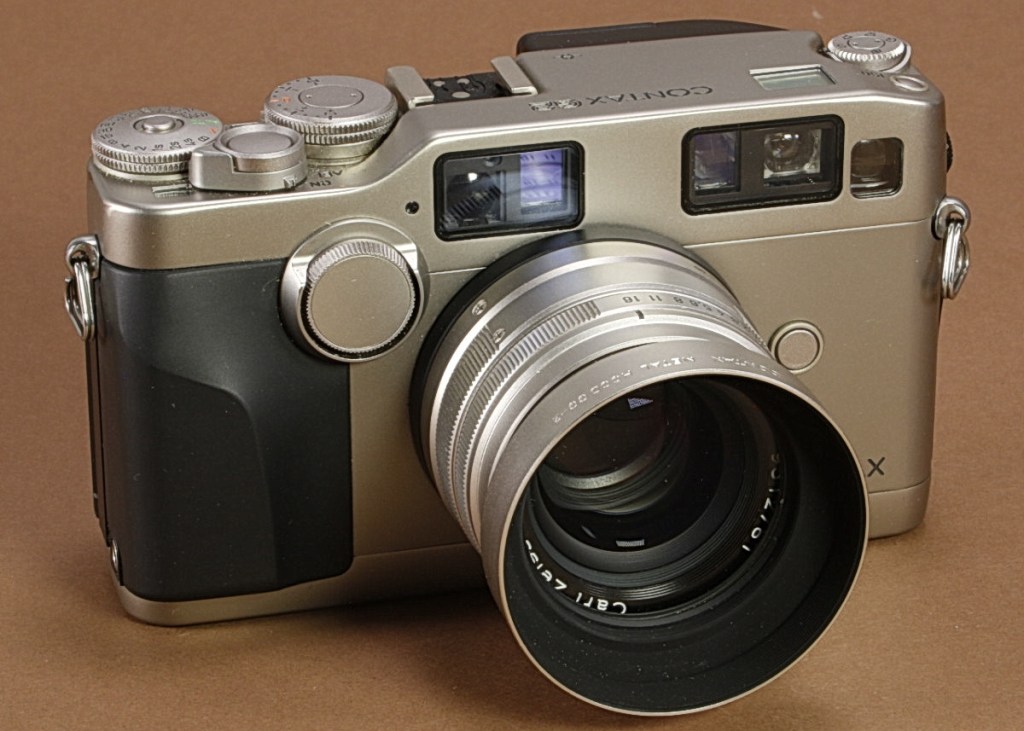
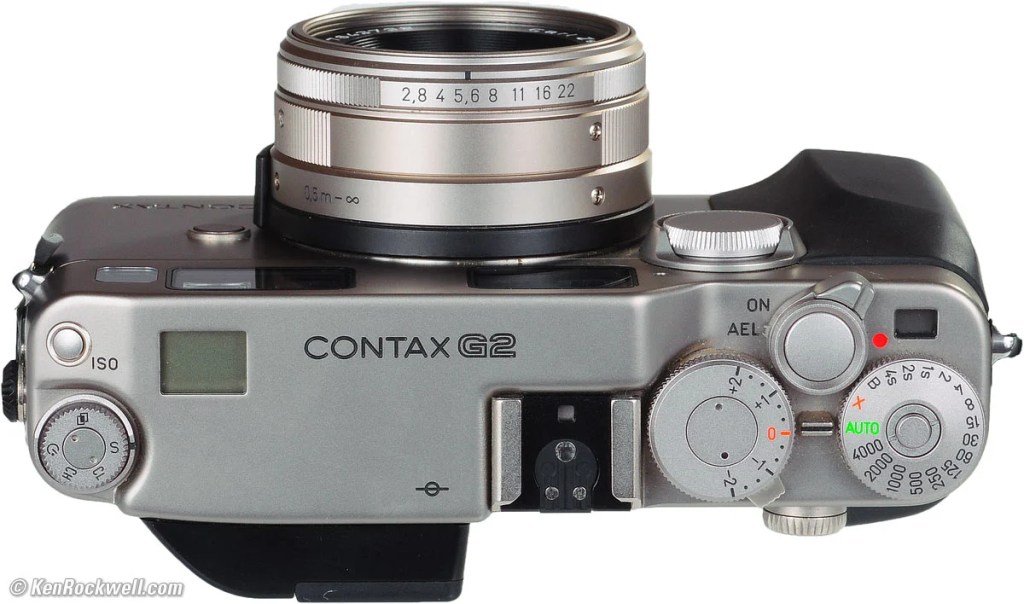
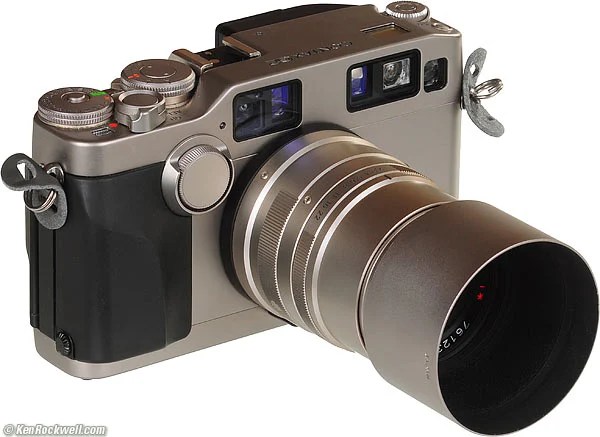
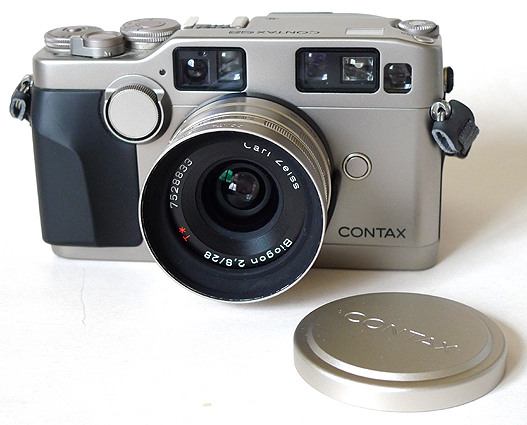
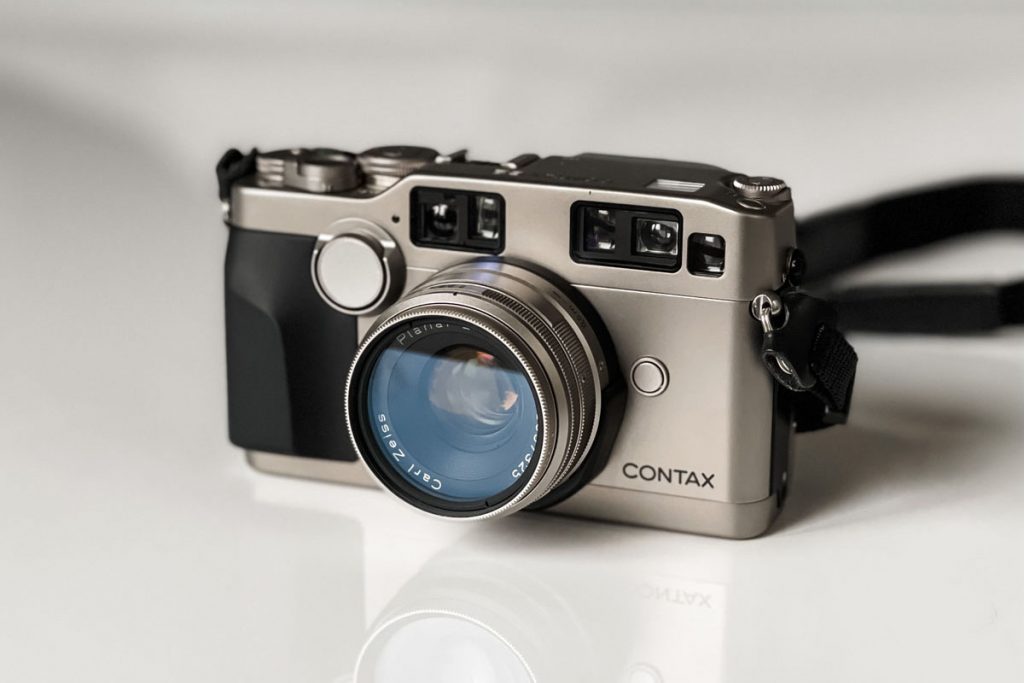
Anyway, I decided that I would buy (second hand) a camera I had always wanted, a Contax G2. It’s a film camera as I wasn’t interested in digital at that early stage.
It’s a German brand, with the body and electronics made by Yashica in Kyoto, Japan, and the lenses made by Zeiss, that legendary company in Germany. To me, it’s one of the most handsome cameras ever designed.
This is from a review by Ken Rockwell, a photography writer in the USA: “The Contax G2 is the world’s most advanced rangefinder camera. It is a superbly refined electronic, autofocus 35mm camera with the world’s best optics. It also offers auto exposure, auto loading, advance and rewind, and TTL metering for both flash and ambient light.”
Of course, I couldn’t have only the body, so I bought the 35mm f2 Planar (Zeiss’s name) and the 90mm f2.8 Sonnar. This lens is legendary for sharpness.
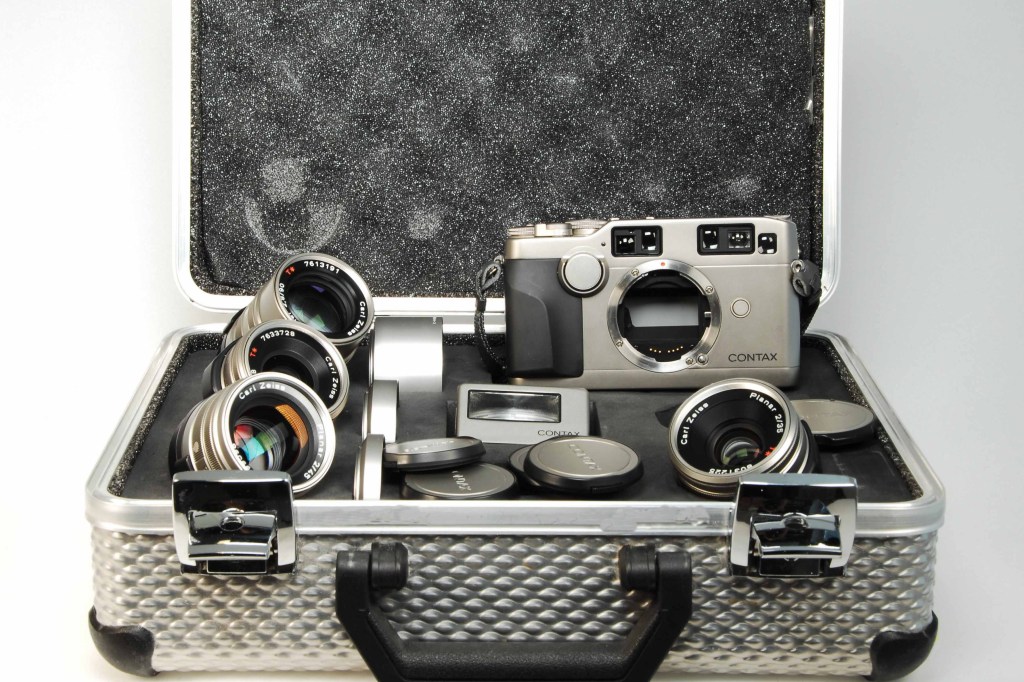
So that made one body, a 35mm, a 90mm and a couple of lens hoods and caps. But I couldn’t stop there and after some browsing around, I found a TLA200 flash (flash was important in film days) and a G1 body (or was it the other way around, G1 first and G2 second? Can’t remember.) So my system was looking like this:
Except with two bodies, the G1 and G2. I knew I had a very nice aluminium case, even better than this one, in brown, at home just waiting for this system.
Then I found a 28mm f2.8 Biogon for a reasonable price, so I grabbed that too. Wow, what a haul!
All this had cost a fair bit, probably around $2,000, but I reasoned that even if I grew tired of my haul, I’d be able to sell it in Perth for possibly double that. This was a well-off guy’s dream and there are some of those in Perth.
I soon discovered, in my hotel room, that the 35mm lens didn’t auto-focus on the G1. Uh oh. So I took it back to the shop where I bought it. “Oh, you need the modification”, he said. What modification? Well, once I read up on it, he was correct and he pointed me to a place in Singapore that would do it for me, for a fee. It was out in the industrial suburbs, so I took a taxi out there. No problem and it was done in about half an hour, with a green sticker in the film chamber of the G1 body denoting the mod had been done. It’s still there. It cost about $50, I think.
So wow, was I pleased. And the fact is, I’ve still got all this Contax gear, complete. I’ve never worked out how to cut the foam in my aluminium case to fit it, but it’s all there.
However, in use, I was never happy with the system. It’s “quirky” to use, shall we say. The main problem, for me, is the autofocus. It only autofocusses on a small rectangle in the centre of the viewfinder, so you have to centre that rectangle on the thing you want sharp, press and hold the AF button, then recompose and press the shutter button. I allways found this very hard to do and I got very, very few sharp images. I never mastered the technique.
Phew, is this ever going to end? Well, not yet, not today. Here goes again.
I’m going to jump back a few years to 2008, when I decided to make the trip of a lifetime to Paris and the UK. It was sparked by a meeting with an old school friend from Northam, now living in Scotland and visiting Perth. She spoke to our crowd at a reunion and said, “If anyone’s coming to Scotland, please visit and stay with me.” I didn’t think it would be possible at the time (2005), but as I thought about it, I thought, “Yeah, let’s do it.” So I set about planning the trip.
Of course, the planning of what camera gear to take is part of the pleasure for me. I love it! I need full capability, especially very wide angle to cope with taking photos in cathedrals and confined spaces. But also long telephoto for landscapes and the possibility of wildlife.
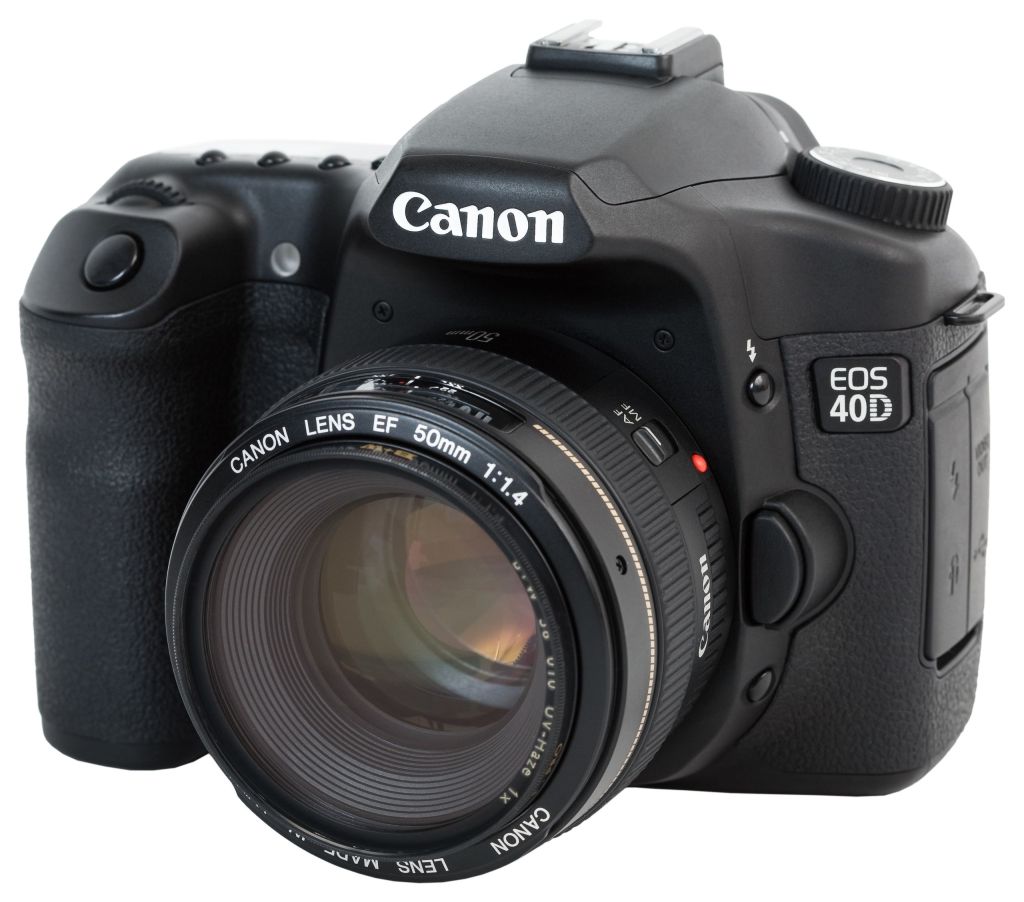
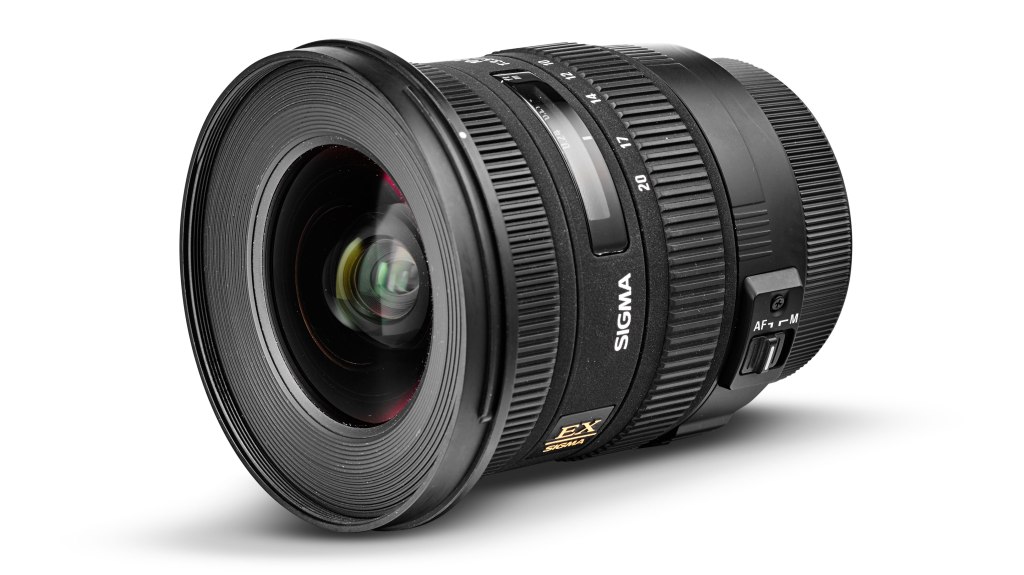
I already had the Canon 40D shown above and elected to take only the Sigma 10 – 20mm for its wide angle capability. The Canon crop factor is 1.6x, therefore the focal length range for this lens is 16 – 32mm, not as good as 10-20 but pretty good all the same.
I figured if I needed anything different, I could buy it in London, probably second hand. But I didn’t buy anything until near the end of the trip. Which see.
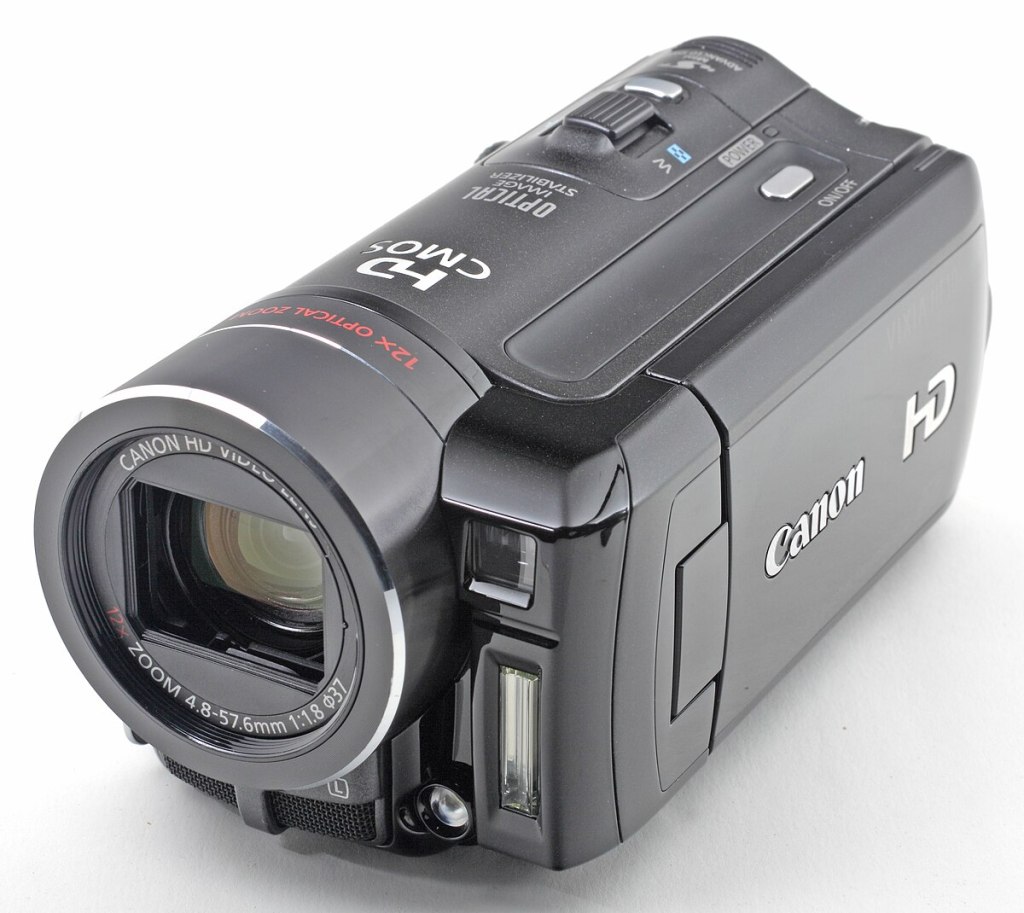
So my travelling kit was the 40D, the Fuji s100fs, the Sigma 10-20mm for the Canon and that was it. Quite a small complement for my way of working. Oh, plus a Canon HD video camcorder. That’s a separate story.
A different model to mine, but very similar.
I made the decision that I had to shoot video, for this trip of a lifetime. Stills cameras didn’t shoot video then (they do now), so I wanted to buy a proper video camera. I chose a Canon model (I can’t remember the model number now), and the best price was at a Brisbane, actually Gold Coast, seller.
I’d wanted to visit my Brisbane relatives for some years, so I thought, here’s the opportunity to go to Brisbane, collect the video camera (I’d paid on-line), and visit my relatives at the same time.
It was a great trip. I rented a sporty version of the Toyota Camry and drove from the airport, down to the Gold Coast to a little warehouse type of shop, up a staircase, then driving through all the mountain roads to my relatives’ place near Beenleigh. It’s a beautiful part of the world up there.
Then it was back to Perth for a day or two, then off to Singapore, first, for a couple of days. Then off on Sri Lankan Airways to Paris, via Colombo and Abu Dabhi. Why Sri Lankan? They flew to Paris, they had stops to stretch your legs, and the price and timing were right. It was a good flight. A 747 too.
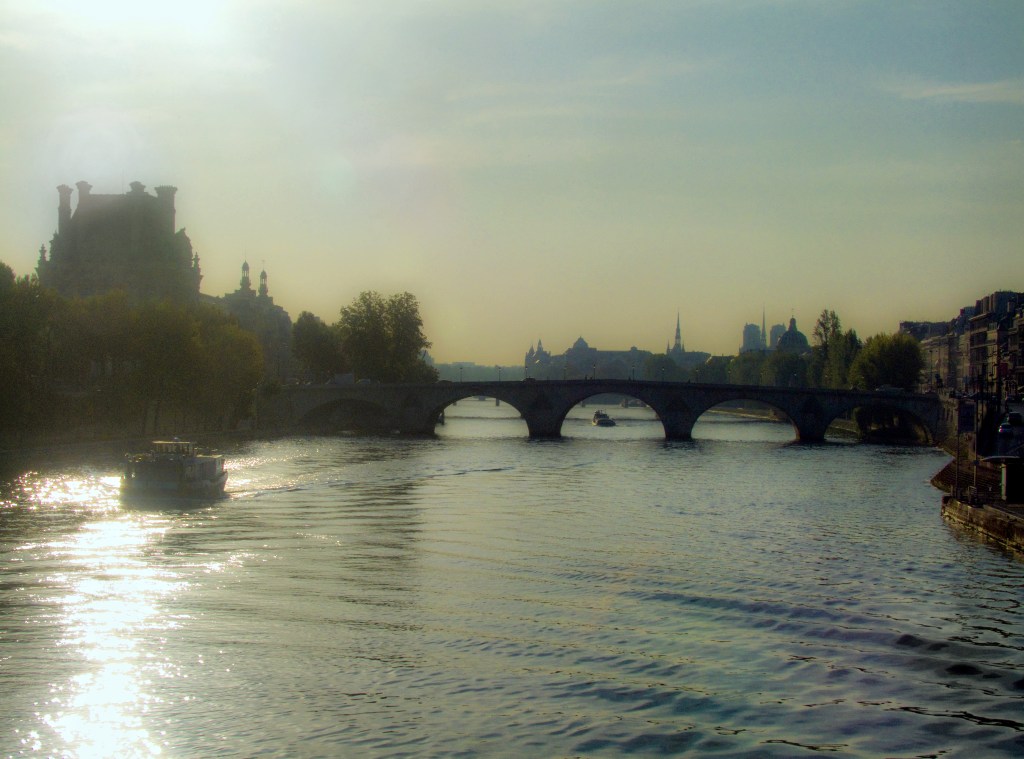
I stopped in Paris for five days and I got sunburnt in northern hemisphere September. Paris is very photogenic.
Then I had a ticket on the Eurostar, to London via the Chunnel. I was excited about that. So I bowled up to the station att 8am on the day, only to find that all Chunnel trains were cancelled due to a fire in the tunnel. Bugger!!
So they laid on a bus for us and it was a full day’s trip via the car ferry to Dover, then train to London. A full day’s trip, wasted.
Anyway, I found my camera complement to be pretty good. It was heavy and my bag was pretty big, but I’m a sucker for punishment.
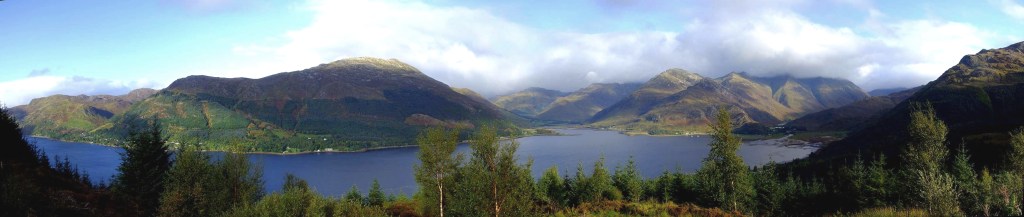
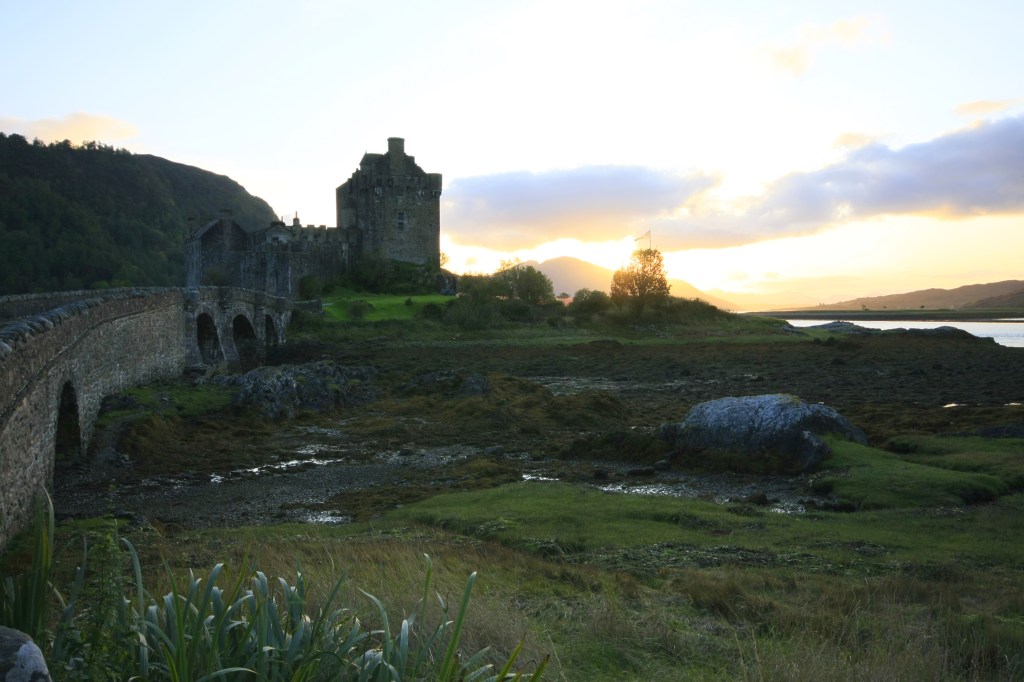
I went to stay with a school friend in Scotland, who lived right near the Isle of Skye and the Eileen Donan Castle. Couldn’t have been better.
To summarise, I shot more than 1,000 still images and about 1,000 video clips in 1080 30p resolution. I was a bit paranoid about losing all this material, so every evening I would take the SD cards, three of them, copy them to my laptop, then burn them to CDs. After carefully labelling them, I posted them next day to my sister in Perth for safe keeping. I’d email her to say they were coming. I’ve still got all this material on a hard drive, but it’s failed! I’ve still got the discs somewhere, so I’m not bovvered, but one-o’these days I’ve got to either fix that drive myself, or pay to get it fixed.
I think I’d better close this chapter before it gets too long. More coming.
Here I am again with yet more camera history. Not finished yet, not by a long shot.
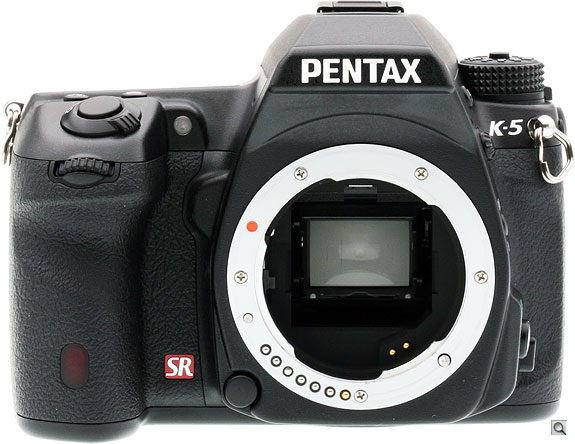
In 2010 I was off on a big trip to Bali and being a bit flush at the time, and based on an excellent review from my favourite blogger, I decided to buy Pentax, specifically the new Pentax K-5 digital.
It’s not a huge sensor, only 16Mpixel, but the review talked about the particularly nice pictures and I’ll confirm that.
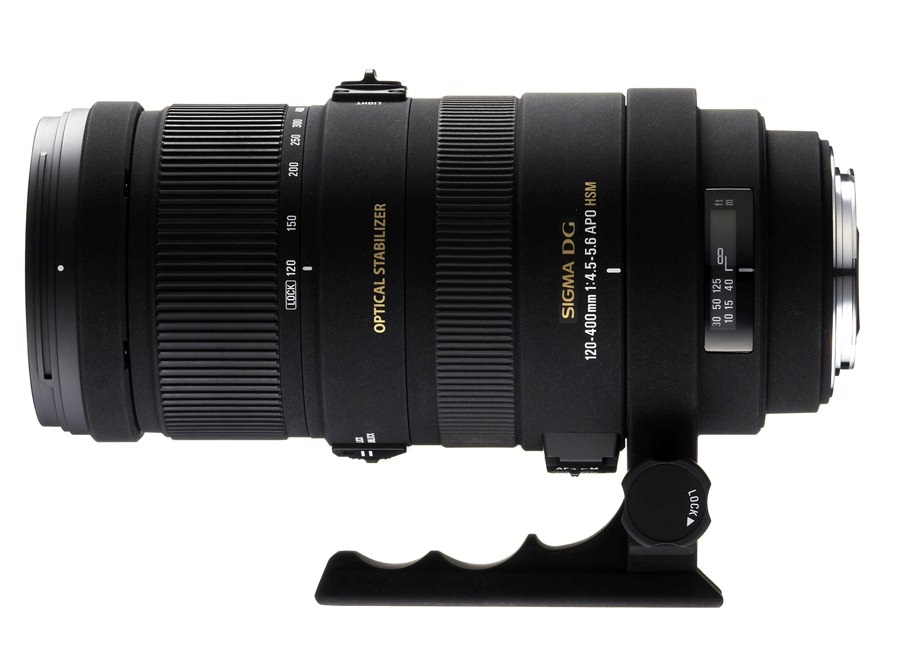
I liked the camera very much, I still have it and I won’t part with it (except to update to the K-3 mk. 3, but it’s very expensive). I soon added a Sigma 120 – 400mm f4 and a Sigma 10 – 20mm f4. Yes, the same lens I had had for the Canon 40D. I sold all my Canon gear in one hit at a bargain price to the son of a friend. I think I was too generous, but it can’t be helped now.
I’ve since added the Sigma 18 – 135mm (27 – 200mm eq.) which I bought on Facebook Market for $50. Can’t go wrong, can you? So I’m covered for every focal length from 15mm to 600mm, but wow, it’s heavy! Too heavy to carry in one bag/trip.
_________________________________________________
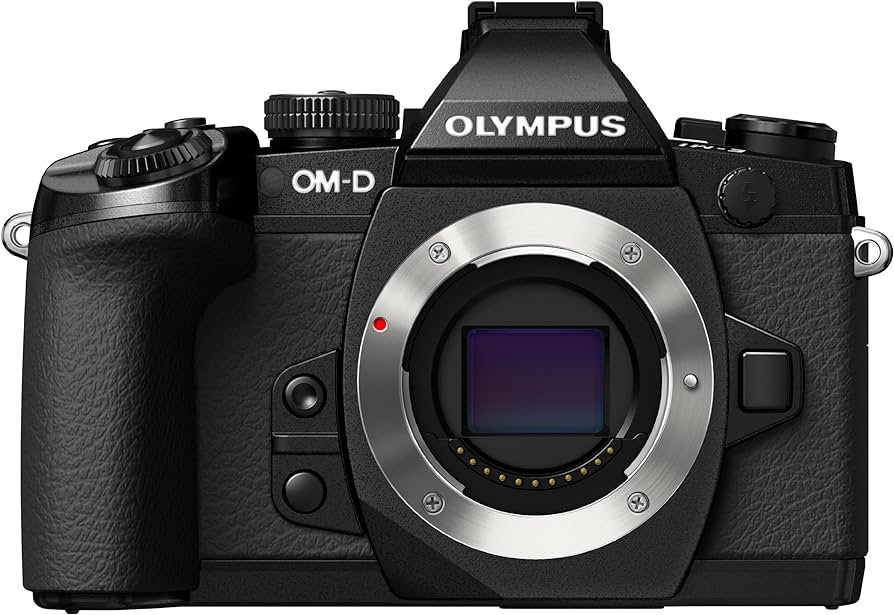
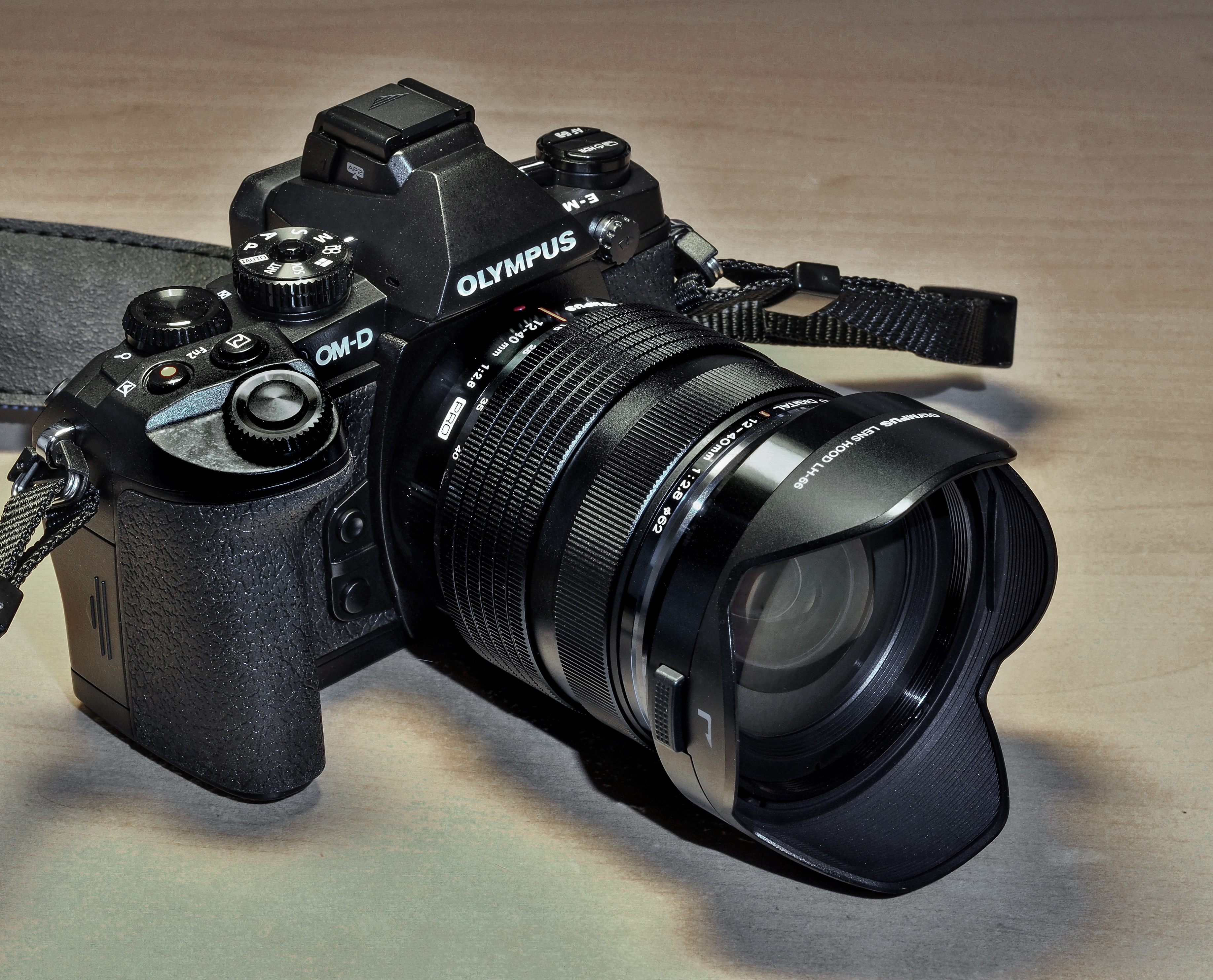
But my restless eyes soon tired of this and as a dedicated reader of reviews, I next decided to venture into the Olympus 4/3 system, specifically the OM-D E-M1.
This new camera got rave reviews and I’d tend to agree, it’s an exceptional camera. But I’ve found a few drawbacks. It’s mainly the menu system and a strange switch on the back that I still haven’t fully understood. Since I bought the camera in 2014, that’s pretty slack of me, but ……
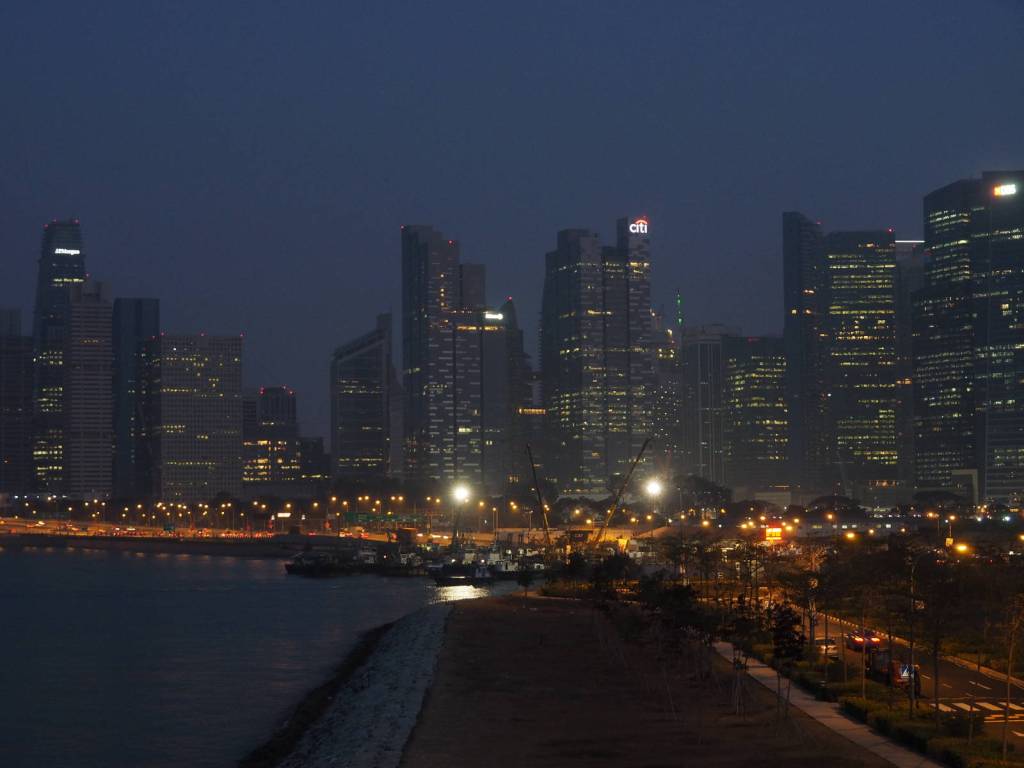
Re the menus, wow, so many options! You almost need to carry a printed guide with you. One reviewer did publish a “Start here” list, which has helped a lot, but I admit I don’t use the camera a lot because of its complexity. However, its image stabilisation (sensor movement) is amazing. Up to seven stops of improvement. That means you could hand-hold the camera at 1/15sec. and it would be as if you were using 1/2000sec. I can vouch for its low light capability.
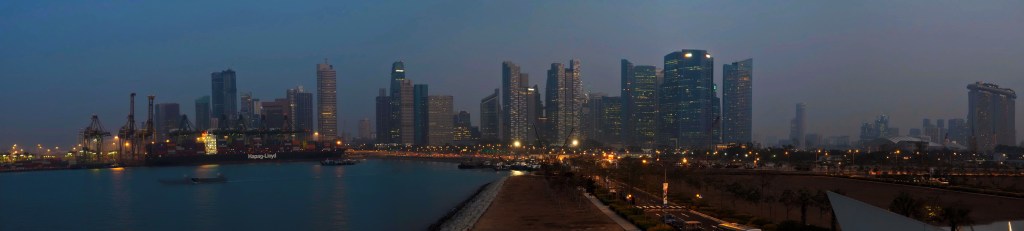
Singapore, 7am 14 – 150mm lens 1/10sec, hand held.Stitched composite of hand held 1/10sec images, Singapore 14 March 2014
The camera came with the standard Olympus M.Zuiko 14-42mm lens. It’s OK, but annoying in the way it has a locking mechanism when the zoom is retracted, and you have to unlock it before you can shoot. I hate that. It also came with a tiny accessory electronic flash in a velvet pouch, which, considering the incredible low light perforamnce, I don’t think I’ve ever needed.
Later, I bought the M.Zuiko 14-150mm M.Zuiko do-it-all zoom (28 – 300mm equiv.). It’s a useful travel lens, but no great performer. I also bought an Olympus M.Zuiko 75 – 300mm lens (150 – 600mm equiv.). It’s a very sharp lens.
Then I got into the smaller Pen series, buying a PL-2.
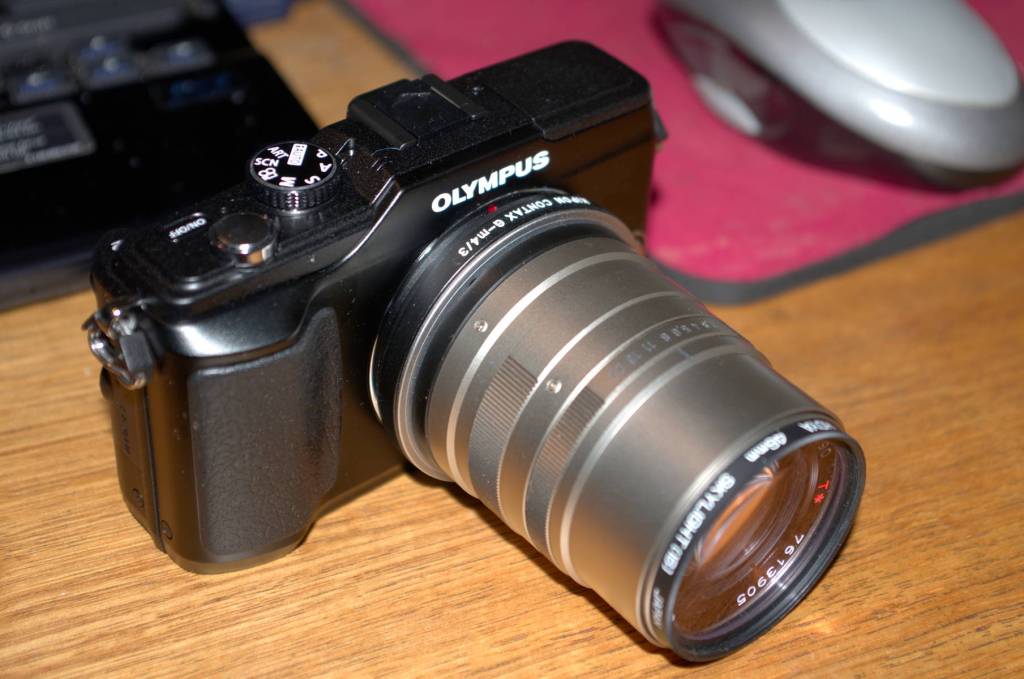
Olympus E-PL2 with Zeiss 90mm fitted with adapter (making 180mm stabilised).
And then one day Dick Smith advertised E-PL3s with 14-42mm lens for about the price of the lens alone. I couldn’t resist!
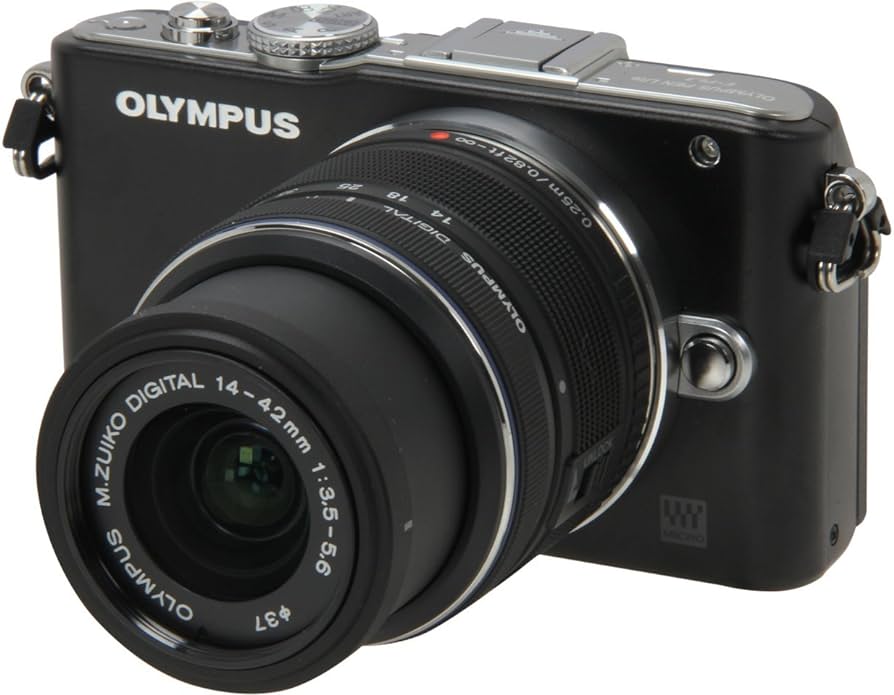
Olympus PEN E-PL3 with 14-42mm (28-84mm equiv.) lens.
This came with another small flash in velvet pouch, so that’s two I’ve got now, and I never use them.
This was gettin’ serious. All this Olympus gear, on top of the older OM-2 body and a couple of original lenses.
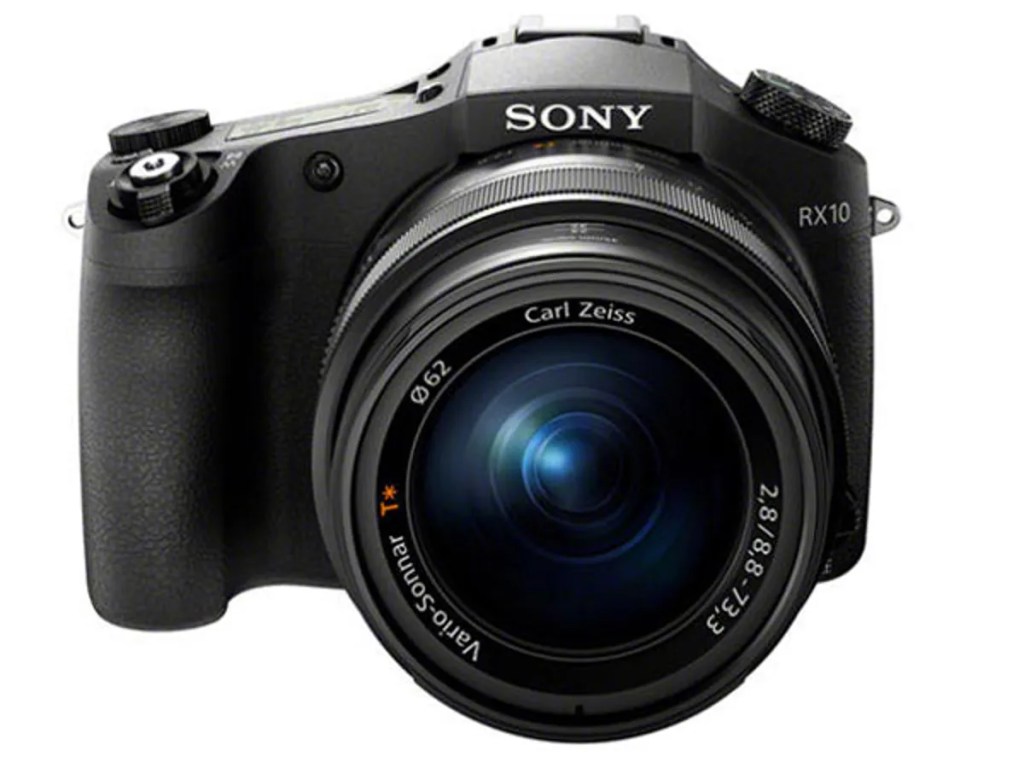
Next was a Sony, but a fixed lens travel camera, the RX10, which has a 20Mpixel sensor:
This is a cropped sensor (reduced size) camera with the fixed Zeiss 24 – 200mm lens as shown.
Again, I fell for this camera on the basis of glowing reviews, and I haven’t been disappointed. It”s great! Immediately that I started to shoot pictures, the sharpness of the lens was very noticeable, even on the camera’s own screen. This was 2014.
Sony RX10. This is incredibly sharp.
It’s quite a heavy camera and I admit that puts me off using it. But the menus are good, easy to follow, and the results are brilliant.
I kept this camera for a couple of years and then decided to sell it to a mate who liked it. But there’s a very funny story here – he took the camera with him on a camping trip and had the battery out on charge overnight. But he left the battery compartment door open on the table.
Next day he started using the camera again and noticed a shadowy thing in the bottom left corner. It took a while but he eventually worked out that it was a worm! A worm had crawled into the camera sensor chamber through the battery compartment during the night!
So how do you get a worm to come out again? Answer: you can’t. Eventually it stopped moving and died. But it was still visible in the pictures.
He showed it to me and I said I’d have a go at getting it out. After all, we had nothing to lose, as even if I buggered it up, the camera was unusable anyway.
So I dismantled it as much as I could, went as far as I dared, but it was no use, I couldn’t get at it. I tried hard, but I had to call a halt as I just couldn’t see how to get any further in dismantling it or damaging it.
The main thing I remember about this process was the electric shocks I got from the flash capacitor in the camera. Yow! Ouch! I managed to get two shocks a few days apart and I still remember them, ten years later.
I don”t remember why but I soon disposed of this camera by donating it to my mate KG at the time. He had done me some favours and I felt an obligation. He used it for a few years but I saw it and it’s in a sorry state. He complained that things didn’t work, but crumbs, it was bashed around. No wonder.
In the meantime, I’d fallen under the spell of Canon and their Ultrasonic focusing lenses. Wow, near silent AF. I was hooked. In 2007 I bought a Canon 40D SLR in Singapore, with a 28 – 105 US AF lens.
I think I also bought a Canon 75-300mm lens at the same time, although I sold that lens on to a friend. He had a burglary and it was stolen from him. Sigh. Meantime, I had bought the Canon 28 – 105mm Ultrasonic in Singapore and found it to be a very nice combination of focal lengths.
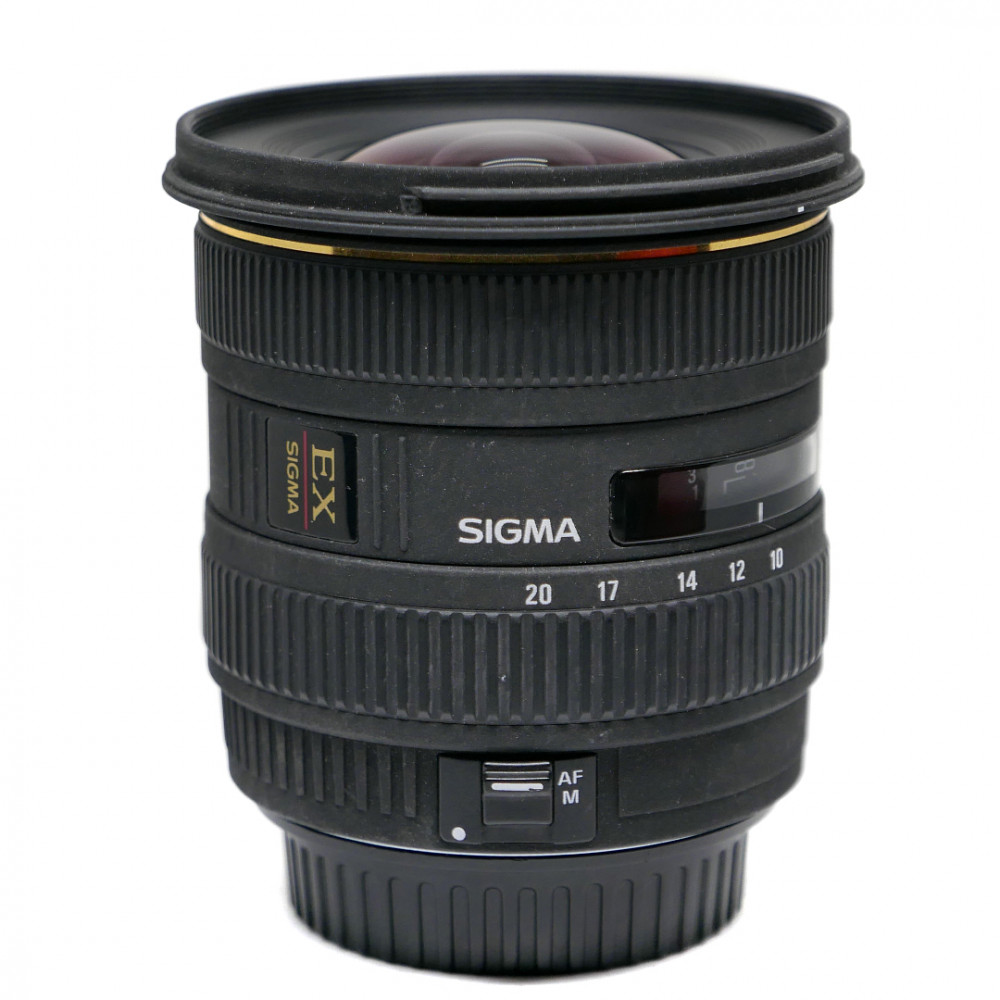
But I was planning a trip to the UK via Singapore and Paris, where I knew I would need very wide angles for pics in cathedrals, and so I also bought a Sigma 10 – 20mm super wide angle zoom for it. I was very happy with that lens, and more on that later. I actually sold the Canon one and bought the same lens for Pentax, which I still have. TBC.
Sigma 10 – 20mm EX DC lens. DC means cropped image circle, for APS-C sensors
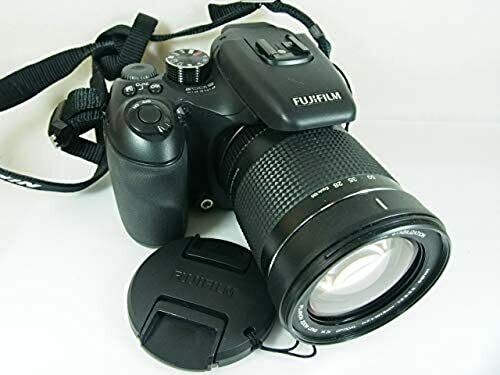
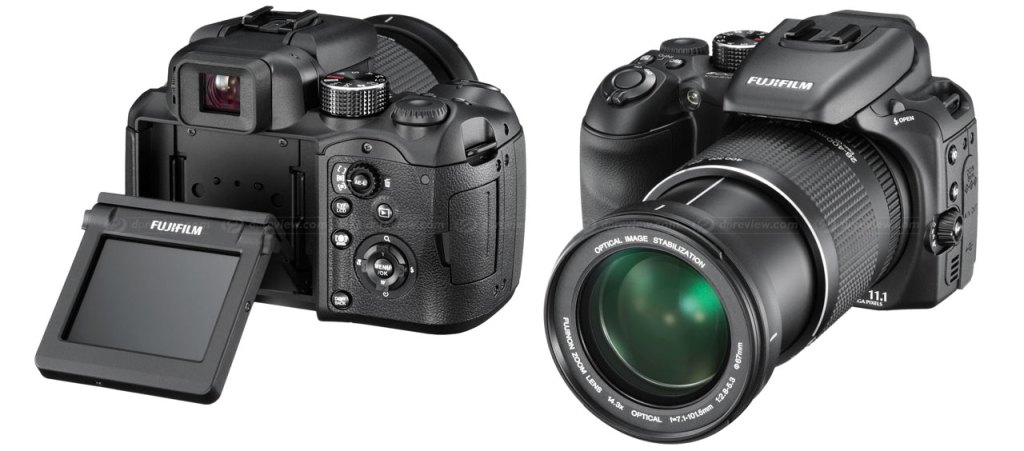
I still wanted another camera for my trip and Fuji brought out a new camera just at the right time. I was hooked. It was the Fujifilm S100fs, where ‘fs’ stood for film simulation.
This was a fixed zoom lens camera, only 11 Mp, but the zoom was 28 – 400mm and image stabilised, an ideal range. And since I was a Fujichrome user, the film simulations were ideal.
So for the trip, I carried the Canon 40D with the Sigma 10 – 20mm fitted, and the Fujifilm S100fs. I thought that covered the range I needed, but if I found I wanted more, the UK was a cheap place to buy. The one thing I wanted to buy, and did, was a tripod. I had a particular model in mind, one with twist lock legs, but in practice I didn’t like it. I found the twist locks to be too slow and wanted to go back to snap locks, so once I got back to London, I traded the tripod in on a new lens for the Canon, a Sigma 28 – 200mm. NB: I also took a Canon video camera with me, capable of Full HD video, so my bag was full each day and quite heavy.
I’ve been extremely happy with the Fujifilm S100 and I still have it on my shelf. I don’t want to part with it. It’s a cropped sensor (smaller than APS-C) and only 11Mp, which sounds like a problem, but I’m very happy with the raw images at 3867 x 2913 pixels. Below is a “worked” RAW image, saved as a TIFF.
This is an 82.6Mbyte file, with some sharpening and noise reduction applied. I am very satisfied.
I must admit I was also very pleased to get back to the Canon sometimes, with its near full sized sensor, optical viewfinder and familiar controls.
Did you think I was finished? Ha, no way, lots to come.
I left off in the last post in the early 1990s just after the burglary that cleaned me out. All my Olympus and Nikon gear was lost. Damned thieves! So I set about rebuilding my system(s).
I had always been a bag man and I had my favourite – it wasn’t anything fancy, just a cheap blue bag, but to me it was the perfect bag, almost. It just had four compartments, with two pockets on the ends. Very light, but most impoertantly, the straps folded right over the top without being attached to the top flap. This meant that you could pick up the bag without it tilting over, one of the things I’ve always looked for.
The drawbacks were (a) it used Velcro for the top closure, and (b) it used metal clips and rings to hold the top closed. Both of these made noise! One thing I didn’t want when stalking birds out on a lake or in the bush was sudden noises, and opening that bag top meant “r-i-i-i-p”, or jingle, jingle, jingle of metal on metal. Still I loved that bag and surprisingly, after a couple of years, I found another one, identical, $20. Done deal!
Surprisingly, before I found the replacement, one day at work I saw a woman photographer working in Studio 1 at Channel 7, and blow me down, she had what looked like my bag. Identical. I was so dumbfounded that I was silly enough to make a comment that it looked like my stolen one. Naturally, she got her back up and emphatically said it was hers and implied that I should go away.
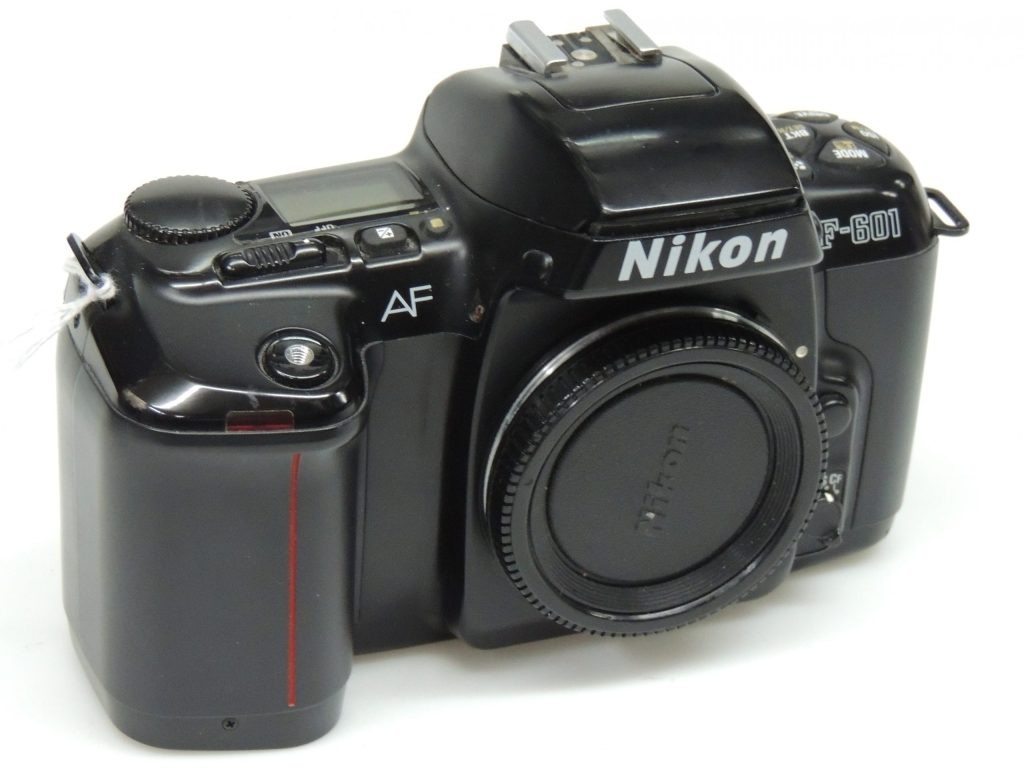
Anyway, I soon bought a Nikon F-601 to replace the F-801.
This was a cheaper version of the F-801 with a few nice additions, but a different shutter, nowhere near as nice sounding. It also had a pop-up flash in the prism area, which I liked. I quite liked this camera, but it wasn’t as nice as the F-801. It was all I could afford at the time.
I had the 50mm lens that came with it, and the 28mm Series E. I also found another Nikon Series E 75-150 f4, almost my favourite lens. Very sharp. So I was on my way again, especially as I bought the 300mm f4 IF ED and the new s/hand 200mm Micro Nikkor that I found in Sydney. Wha-hey, I was building a system again.
I also found a s/hand Olympus OM2 SP, so that got me going in Olympus again, nowhere near what I had before, but a start. As I say, I’ve still got that amera, complete with an unfinished roll of Fuji Provia in it. One o’these days I’ll finish it!
Time moved on and I continued to make trips to Singapore, Kuala Lumpur, Fraser’s Hill in Malaysia, and Penang. Fabulous! I loved travelling in those areas.
It’s a bit hard to remember the late 1990s, but in October 1999 I took the offer of a voluntary redundancy from my workplace and retired. At age 52. A good payout saw me never having to work again, except for voluntary part time work at my old job. Ideal!
I remember feeling the absolute freedom to travel, without needing to scrimp and save, being able to stay in four star hotels rather than two or three star. And to buy my heart’s desires in cameras. I didn’t go wild, not at all, just a bit less restricted.
In particular, I had not yet moved to digital. I had a Nikon LS-4000ED film scanner, meaning I cold scan a frame of film to a 4000 x 3000 pixel digital image. I used to say, why do I need a digital camera (when 4-6Mpixel was the state of the art then) when I have a 12Mpixel device to scan my film?
So on a trip to Singapore around 2000 or 2001, I bought a camera I had lusted after, the Contax G2 with its Zeiss 35mm Sonnar lens. Second hand in Singapore.
I think it cost me about $800, and the 28mm lens was about $400. It’s a very unusual camera – a rangefinder, but autofocus camera. Titanium body, made in Japan by Kyocera (Yashica) for German Contax. Lens made in Germany.
Of course, that wasn’t enough and on the same trip I bought a s/hand G1 as well, and a 35mm Zeiss lenns, and the 90mm Zeiss as well. And the accessory flash. The G1 was the first model in this new range, succeeded by the G2 obviously.
It turned out that when I tried to use the 35mm on the G1, it wouldn’t work. Can’t remember exactly why but the shop told me there was an official mod needed. Go to the service centre in XXX industrial suburb, they told me. So, taxi there, please wait while it’s done, that’ll be $50 (??) please, and there’s a small green sticker in the film compartment to show it’s done. Taxi back to the hotel.
Wow, was I pleased with this purchase! I had spent about $1500 and I figured it would be worth at least $2,000 in Perth if I got tired of it. So I figured I was pretty safe.
Well, my experience has been terrrible. For one thing, the autofocus requires you to centre a small circle in the centre of the viewfinder on the subject before it will try to focus. This means I don’t think I’ve had a single sharp image in the whole time I’ve owned the cameras! It’s too hard. I’ve seen plenty of beautifully sharp images on the Web, but I can’t get these cameras to do it for me.
So I’ve found a way to adapt the Zeiss lenses to a modern Sony digital camera. More of that anon.
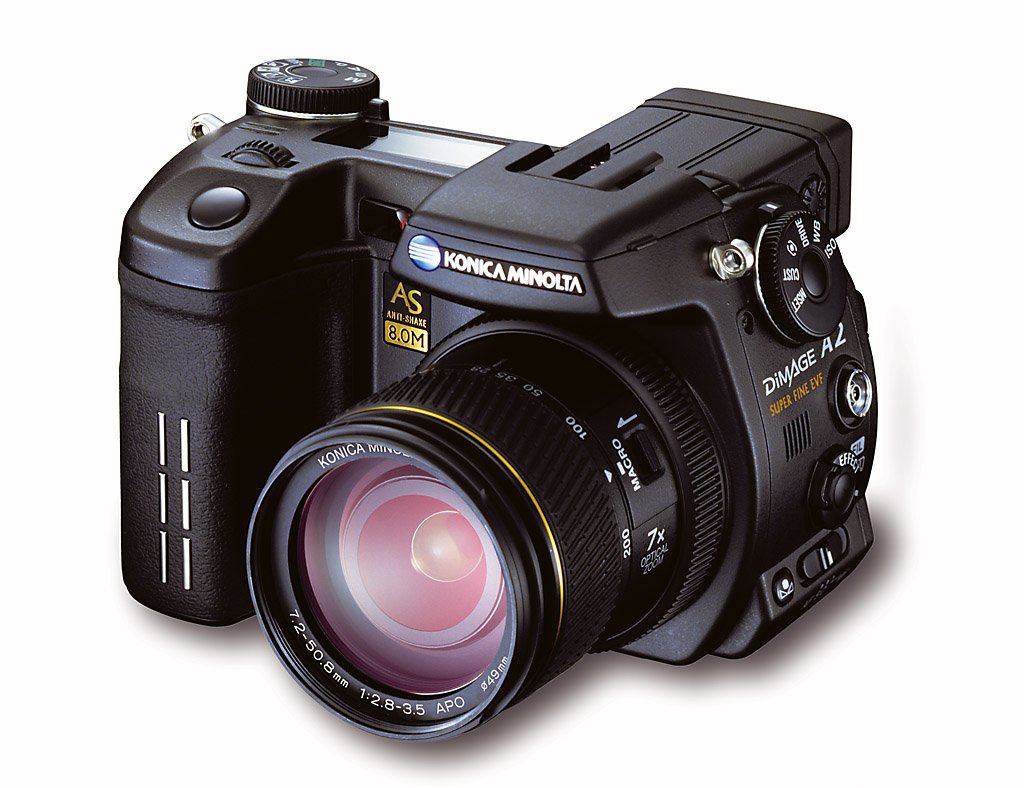
That leads me to my first real digital camera, the Konica Minolta A2.
This image is from Amazon.com, it’s a used camera (obviously) listed at US$159.50 (A$245.38).
This was a lovely camera and I’ve still got mine. Only 8Mpixels but that seemed enormous in 2004.
This was a fixed lens camera, so there was no buying extra lenses. It was a 28 – 200mm manual zoom, ideal for me. I liked it very much. I bought it at a camera shop at Whitfords City in Perth. I can still remember the frustration of having to wait for the battery to charge before I could use it (about 3-4 hrs), and the remark by someone about “Wow, 8 megapixels!” as that was a lot in those days.
That got me through a long time before I bought my next digital camera. I spent months digitising all my Japan Fuji Reala negatives from my 1992 trip and I loved the results. This was around 2005 I think, in the first few years after I retired, as I had all the time in the world. There were about 350 images.
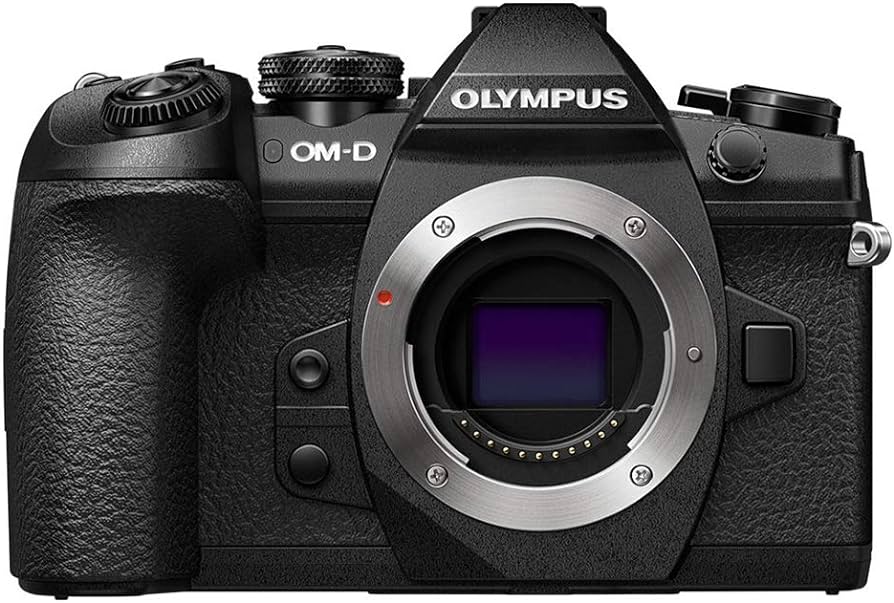
I’m struggling to remember my next digital camera. I know that I bought an Olympus OM-D E-M1 in about 2014:
This is a beautiful camera, but boy it’s hard to learn its use. Switches everywhere and complex menus. But the image stabilisation is magic. This was Olympus’s first Micro 4/3 sensor camera. This was a cropped (reduced size) sensor in the 4×3 proportion. It has the huge benefit that there are adapters to allow the use of almost any lens from any maker. I’ve got an adapter to fit the Minolta 250mm mirror lens that I mentioned in part three to this camera, with the benefit of doubling the focal lenght to 500mm with brilliant image stabilisation. I love it!
It came with a 12-24mm “collapsible” zoom lens and a tiny flash, (which I’ve hardly ever used). I’ve since bought an Olympus 75-300mm M. Zuiko, which is equivalent to a 150-600mm in 35mm terms. It’s a lovely sharp lens.
Yes, I still have this, but shooting film is too expensive.
Did you think I was finished? I hope I’m not boring you but there is much, much more to come.
When I left off in the last post, I was into Olympus OM and wow! The OM system in the 1980s and 90s was incredibly well designed, extensive and desirable. And through scouring the second hand shops in Perth, I built up a big collection.
I only ever had the OM2 Spot/Program body, just the one, but as I said, I had 18mm, 21mm, 28mm, 50mm and 135mm Zuikos, which were renowned for their smallness and sharpness, and I can vouch for that. I’ve still got the 28mm but lost the rest to a burglary in 1990. More on that later.
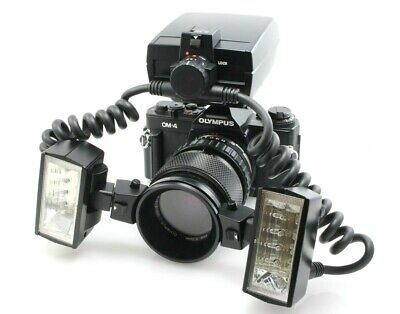
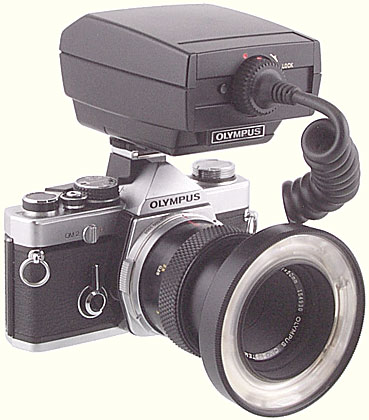
Olympus’s flash and macro system was the best on the planet and I lusted after all of it. I never bought their actual macro lenses, but by using highly corrected dioptre lenses (ie +1, +2 and +3 close-up lenses, as they were called), with the Olympus flashes I bought, I was able to get excellent results.
I have, or had, nearly all these things. Wow, I loved the thrill of the chase. It wasn’t just Perth, I was hunting in the shops in Singapore and Kuala Lumpur as well.
One thing I did, after I got into Nikon (which see), was to use a T-adapter to adapt a Micro Nikkor 200mm macro lens to the Olympus OM2 SP body. Why? To be able to use the Olympus’s flash system with the 200mm reach of the Micro Nikkor. It was unweildy, but it worked. Sure, you couldn’t focus to infinity, but you didn’t need to – this was close-up work.
Here’s a shot I took with this setup, i.e. the 200mm Micro Nikkor mounted on the OM2 SP body with an Olympus T32 flash held out to the side on a coiled cord. All the while trying to keep my feet in a muddy jungle grove near Fraser’s Hill in Malaysia.
It had to come. I had talked about my gear with other guys at work who were also into cameras, although no-one was as obsessed as me, and people repeatedly asked me why I didn’t use Nikon, one of the top two brands at the time. I said it was because:
I didn’t have any Nikon lenses at the time, except the 200mm Micro Nikkor
I had never liked the way the lenses worked in reverse, i.e. anticlockwise twist to mount, and anticlockwise turn to focus. The opposite of all the cameras I’d had up to then.
It was an expensive system, although very high quality.
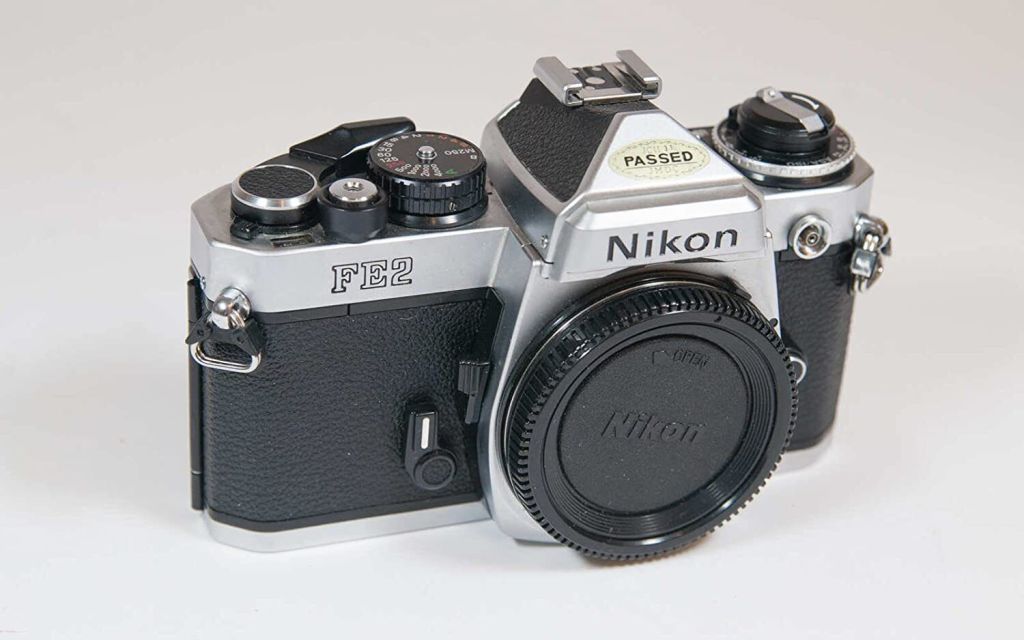
Eventually, I bought a 55mm Micro Nikkor from a pawn shop in Perth. Scatched front element, but for $75 I took a chance (and it was good). Well, that made two Nikon lenses, so I had to have a body, and in about 1986 I bought an FE2.
Auto exposure (aperture priority) but AF wasn’t a thing then. Lovely camera, wonderful shutter sound. I loved it.
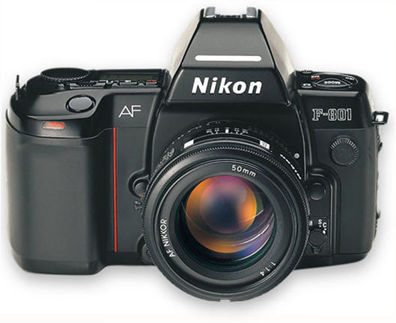
Then around 1989, this was released. Wow, I had to have it.
I bought it in 1989 for a trip that Geoff Williams and I did. This was still film days, remember. This was my first autofocus camera, although I only had one AF lens, if I remember correctly, the 50mm AF that came with it. But I still had the 200mm Micro and I also bought a Nikon Series E 70-150 which became almost my favourite lens. The Series E lenses were Nikon’s cheaper lenses to go with their Nikon EM (“economy model”?). But they were extremely high quality lenses, especially the 28mm which I sold to a friend. She loved it.
I also had my 55mm Micro Nikkor (Micro was Nikon’s way of saying macro). It was in a pawn shop in Hay St for $75 and had seen better days. In particular, it had a few small scratches on the front element (how they could do this is beyond me, considering how deeply recessed the front element is). Anyway, in view of the legendary status of this lens, I decided to take the risk, and I’m glad I did. Here’s an example shot with it:
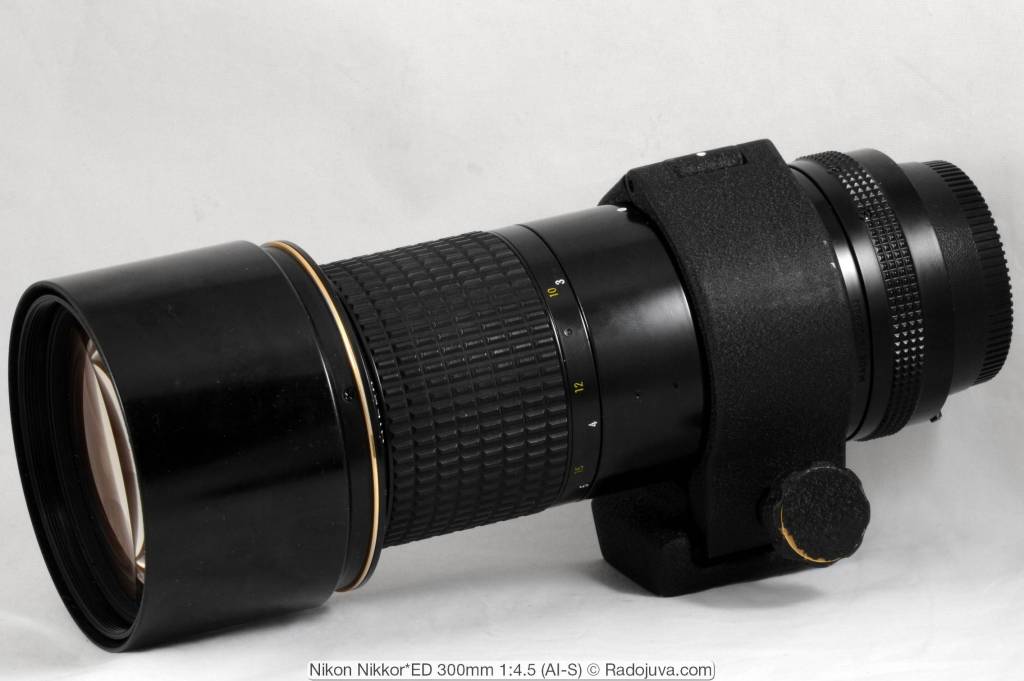
From then on, I used both systems, the Olympus and the Nikon. I also bought a beautiful 300mm f4 IF ED Nikon lens, below. (IF stood for Internal Focusing, meaning the glass elements moved within the lens, so the length didn’t change as you focused. ED stood for Extra Dispersion, i.e. special glass to minimise aberrations.)
This lens cost about $2,000 I think, but to me, it made me feel professional. I was heavily into bird photography and landscapes.
I think the F-801 was the best handling camera I had ever used. The buttons just fell under my fiingertips, I didn’t have to think about what I was doing, it came naturally. I got some of my best shots ever on that trip to Java using this camera.
Then in 1989, I arrived home from work one night at about 11.30pm to find a front window jemmied open and a big lot of my possessions missing. In the lounge room, my Technics SL-P1 CD player and my Nakamichi cassette deck. Also my entire collection of around 100 CDs were taken.
In the bedroom, all three camera bags with all my equipment were gone. A wooden vintage camera was smashed. I was very upset, as you can imagine. All those items above – gone! All the small adapters, rings, filters lost. Years of collecting.
Obviously I called the police the next morning. They came and sniffed around, writing a report, but I didn’t expect any return of my things and I wasn’t wrong. I said something to the effect of “I’d better take precautions in case they come back.” No, they won’t come back, said one of the coppers.
Well guess what – they did, about three months later (see below).
Luckily, I was properly insured and I got a full payout, but it depended on me recalling all the things that had been taken. I did have serial numbers of a lot of the gear, but not all, and for months and years afterwards, I was recalling items that were missing but I’d forgotten about. Not too many, luckily.
However, the insurance company insisted that to maintain my insurance, I had to have a burglar alarm fitted. So I did. It was a full professional job, about $1,000 worth, I think, and it was very effective. More than once, I accidentally triggered it and lived to regret it. It was LOUD!
The Rebuild
From then on, having the insurance money, I set about rebuilding, buying second hand. One thing was – all my CDs, I recalled from my memory. Yes, it took me a few days, but I was able to build the list in my mind and write it all down. CDs had value then – no-one wants them now.
The Return of the Burglars
Despite the policeman’s reassurance that “They won’t come back”, I got home from work one evening to find the sliding glass door to my bedroom smashed to smithereens. Luckily it was afety glass and just smasshed into small pieces, but it meant my house was open to the world. They’d used a jemmy on the lock and it was torn out of the brickwork, but I was able to fix that.
But nothing was taken. I think the alarm must have done its job and scared them out immediately. Good work. I didn’t have dogs then either.
So from then on, I slowly rebuilt a system, not exactly the same, no Nikon bodies, no 300mm, but I did find an Olympus OM2 SP second hand in a camera shop in London Court and bought that. Then, on a holiday in Sydney in the ’90s, I found another 200mm Micro Nikkor in a Sydney camera shop and couldn’t resist it. It cost $800. I know, because it cleaned me out of the money I’d allocated to rent a car and do some touring. Oh well, at least I had a solid asset in my hand instead of money “wasted” on car rental and hotels.











 Bull's Roar