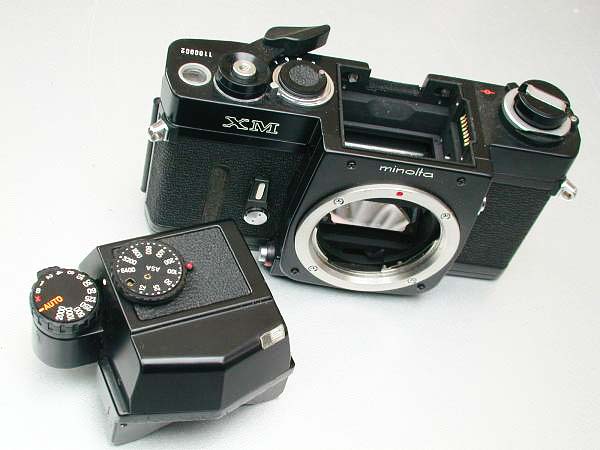
Did you think I was finished? I hope I’m not boring you but there is much, much more to come.
When I left off in the last post, I was into Olympus OM and wow! The OM system in the 1980s and 90s was incredibly well designed, extensive and desirable. And through scouring the second hand shops in Perth, I built up a big collection.
I only ever had the OM2 Spot/Program body, just the one, but as I said, I had 18mm, 21mm, 28mm, 50mm and 135mm Zuikos, which were renowned for their smallness and sharpness, and I can vouch for that. I’ve still got the 28mm but lost the rest to a burglary in 1990. More on that later.
Olympus’s flash and macro system was the best on the planet and I lusted after all of it. I never bought their actual macro lenses, but by using highly corrected dioptre lenses (ie +1, +2 and +3 close-up lenses, as they were called), with the Olympus flashes I bought, I was able to get excellent results.

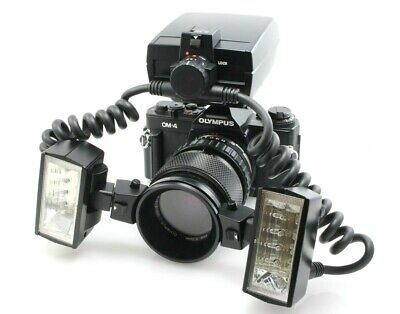
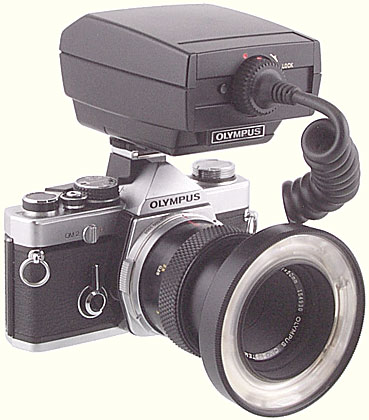

I have, or had, nearly all these things. Wow, I loved the thrill of the chase. It wasn’t just Perth, I was hunting in the shops in Singapore and Kuala Lumpur as well.
One thing I did, after I got into Nikon (which see), was to use a T-adapter to adapt a Micro Nikkor 200mm macro lens to the Olympus OM2 SP body. Why? To be able to use the Olympus’s flash system with the 200mm reach of the Micro Nikkor. It was unweildy, but it worked. Sure, you couldn’t focus to infinity, but you didn’t need to – this was close-up work.
Here’s a shot I took with this setup, i.e. the 200mm Micro Nikkor mounted on the OM2 SP body with an Olympus T32 flash held out to the side on a coiled cord. All the while trying to keep my feet in a muddy jungle grove near Fraser’s Hill in Malaysia.

© PJ Croft 2024
As I say, I still have the OM2 SP body, with a roll of Fuji Provia slide film still in it, waiting to be finished!
___________________________________________________________
Nikon time …
It had to come. I had talked about my gear with other guys at work who were also into cameras, although no-one was as obsessed as me, and people repeatedly asked me why I didn’t use Nikon, one of the top two brands at the time. I said it was because:
- I didn’t have any Nikon lenses at the time, except the 200mm Micro Nikkor
- I had never liked the way the lenses worked in reverse, i.e. anticlockwise twist to mount, and anticlockwise turn to focus. The opposite of all the cameras I’d had up to then.
- It was an expensive system, although very high quality.
Eventually, I bought a 55mm Micro Nikkor from a pawn shop in Perth. Scatched front element, but for $75 I took a chance (and it was good). Well, that made two Nikon lenses, so I had to have a body, and in about 1986 I bought an FE2.
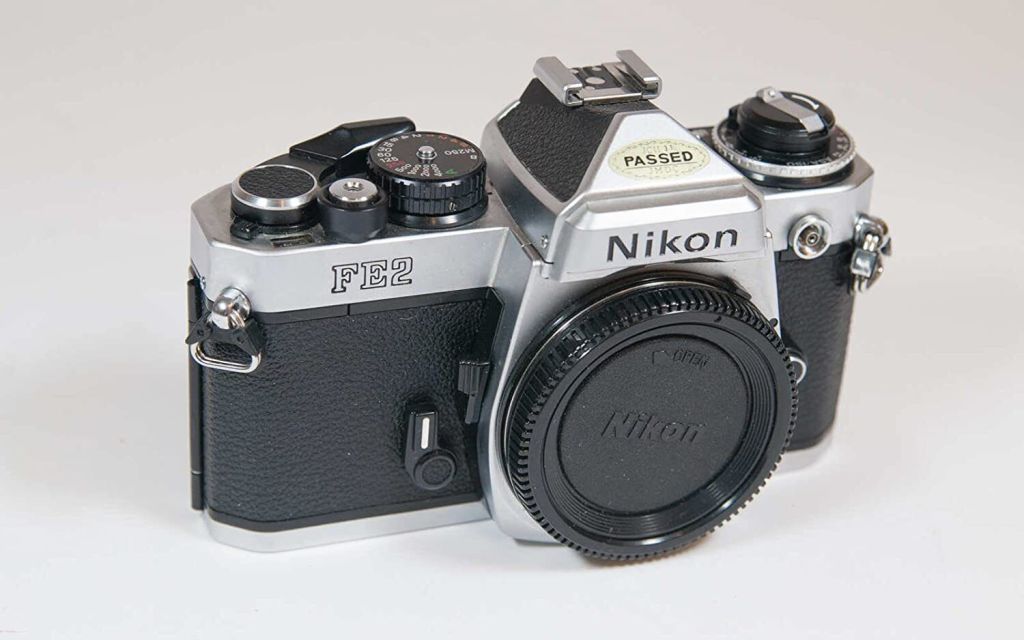
Auto exposure (aperture priority) but AF wasn’t a thing then. Lovely camera, wonderful shutter sound. I loved it.
Then around 1989, this was released. Wow, I had to have it.
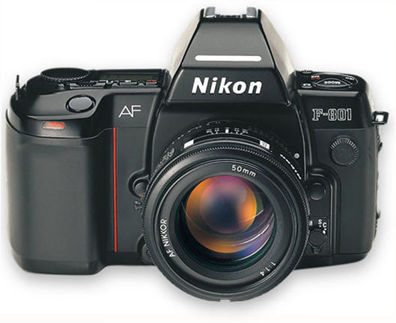
I bought it in 1989 for a trip that Geoff Williams and I did. This was still film days, remember. This was my first autofocus camera, although I only had one AF lens, if I remember correctly, the 50mm AF that came with it. But I still had the 200mm Micro and I also bought a Nikon Series E 70-150 which became almost my favourite lens. The Series E lenses were Nikon’s cheaper lenses to go with their Nikon EM (“economy model”?). But they were extremely high quality lenses, especially the 28mm which I sold to a friend. She loved it.
I also had my 55mm Micro Nikkor (Micro was Nikon’s way of saying macro). It was in a pawn shop in Hay St for $75 and had seen better days. In particular, it had a few small scratches on the front element (how they could do this is beyond me, considering how deeply recessed the front element is). Anyway, in view of the legendary status of this lens, I decided to take the risk, and I’m glad I did. Here’s an example shot with it:

From then on, I used both systems, the Olympus and the Nikon. I also bought a beautiful 300mm f4 IF ED Nikon lens, below. (IF stood for Internal Focusing, meaning the glass elements moved within the lens, so the length didn’t change as you focused. ED stood for Extra Dispersion, i.e. special glass to minimise aberrations.)
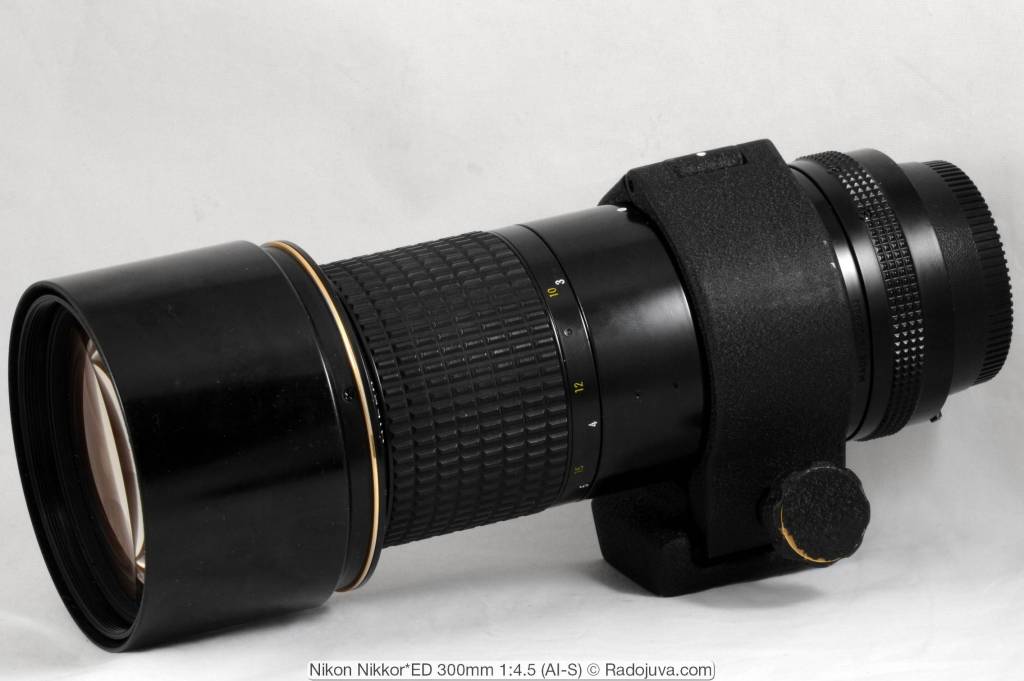
This lens cost about $2,000 I think, but to me, it made me feel professional. I was heavily into bird photography and landscapes.
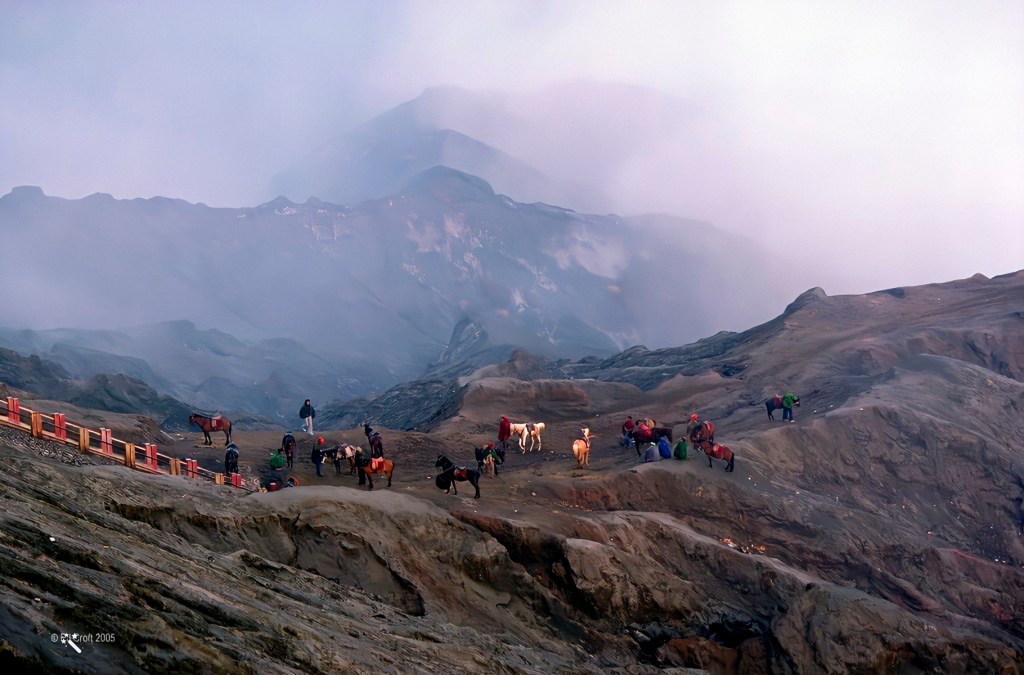
I think the F-801 was the best handling camera I had ever used. The buttons just fell under my fiingertips, I didn’t have to think about what I was doing, it came naturally. I got some of my best shots ever on that trip to Java using this camera.

Disaster!
Then in 1989, I arrived home from work one night at about 11.30pm to find a front window jemmied open and a big lot of my possessions missing. In the lounge room, my Technics SL-P1 CD player and my Nakamichi cassette deck. Also my entire collection of around 100 CDs were taken.
In the bedroom, all three camera bags with all my equipment were gone. A wooden vintage camera was smashed. I was very upset, as you can imagine. All those items above – gone! All the small adapters, rings, filters lost. Years of collecting.
Obviously I called the police the next morning. They came and sniffed around, writing a report, but I didn’t expect any return of my things and I wasn’t wrong. I said something to the effect of “I’d better take precautions in case they come back.” No, they won’t come back, said one of the coppers.
Well guess what – they did, about three months later (see below).
Luckily, I was properly insured and I got a full payout, but it depended on me recalling all the things that had been taken. I did have serial numbers of a lot of the gear, but not all, and for months and years afterwards, I was recalling items that were missing but I’d forgotten about. Not too many, luckily.
However, the insurance company insisted that to maintain my insurance, I had to have a burglar alarm fitted. So I did. It was a full professional job, about $1,000 worth, I think, and it was very effective. More than once, I accidentally triggered it and lived to regret it. It was LOUD!
The Rebuild
From then on, having the insurance money, I set about rebuilding, buying second hand. One thing was – all my CDs, I recalled from my memory. Yes, it took me a few days, but I was able to build the list in my mind and write it all down. CDs had value then – no-one wants them now.
The Return of the Burglars
Despite the policeman’s reassurance that “They won’t come back”, I got home from work one evening to find the sliding glass door to my bedroom smashed to smithereens. Luckily it was afety glass and just smasshed into small pieces, but it meant my house was open to the world. They’d used a jemmy on the lock and it was torn out of the brickwork, but I was able to fix that.
But nothing was taken. I think the alarm must have done its job and scared them out immediately. Good work. I didn’t have dogs then either.
So from then on, I slowly rebuilt a system, not exactly the same, no Nikon bodies, no 300mm, but I did find an Olympus OM2 SP second hand in a camera shop in London Court and bought that. Then, on a holiday in Sydney in the ’90s, I found another 200mm Micro Nikkor in a Sydney camera shop and couldn’t resist it. It cost $800. I know, because it cleaned me out of the money I’d allocated to rent a car and do some touring. Oh well, at least I had a solid asset in my hand instead of money “wasted” on car rental and hotels.
To be continued – the digital age!
 Bull's Roar